
Listening to the Body’s Wisdom: Addressing REDs Through Sport Psychology and Somatics
Now we come back to the cost of not paying attention to our bodies as athletes. If we are not connected to our bodies, we are missing an incredible amount of information that could help us take care of ourselves and help us be better athletes. So now we come back to ignoring or disconnecting from our bodies’ signals to take care of ourselves. We can now begin to see how problematic this is in general and how it has a role in female-identifying athletes developing REDs.

REDs: We Must Talk About It
Dedication, discipline, and the ability to push oneself are essential parts of being an athlete. But, what happens when female-identifying athletes push themselves beyond to the point of overriding fatigue to win and the very drive that helps fuel their performance becomes a detriment to their system?

Rebuilding Safety After Outdoor Sports Trauma
Many athletes love and enjoy their time outside engaging in the sport of their choice, whether it be cycling, running, football/soccer, field hockey, swimming, basketball, etc. It can happen where an athlete becomes injured or has an outdoor sports accident that leaves a lasting impact. When we are talking about outdoor accidents this may include being hit by a car while cycling, having a near drowning experience, or getting injured while running on the trail and not having help nearby. The lasting impact may not just be physical. It could be mental or a combination of both physical and mental. In this case, we are talking about the mental impact after a doctor has cleared the athlete and the gear is ready to go, but as soon as the athlete sees the trail, the mountain, or the water, their body completely freezes up. In this case it isn’t a lack of grit, mental fortitude, devotion, determination, or lack of passion. Rather, it is a highly intelligent, automatic survival mechanism where the brain, particularly the amygdala, is doing its job by sending a signal of danger in effort to keep the athlete alive. So, then how do we work with experience to get back out there? Enter the bottom-up approach. And, as we dive in please remember that this blog post is not intended to be mental health advice, treatment, or a plan. Rather it is meant to bring hope and know that trauma is not the end of enjoying a sport.

The Difference Between Treating Trauma and Being Trauma-Informed in the World of Sports
For the past two weeks we have been talking about the importance of being trauma-informed when working with athletes. We now reach a point where we need to discuss the difference between treating trauma and being trauma-informed. While both aim to support athletes, they are two different scopes of practice, clinical boundaries, and ultimate objectives. So let’s dive into our discussion!
Trauma-Informed Approach to Sports and Working Athletes Part 2
This week we continue with our discussion about the importance of a trauma-informed approach in sport psychology. Our focus switches to 6 Guiding Principles of a Trauma-Informed Approach introduced by the Centers for Disease Control and Prevention (2018). As a gentle reminder, the 6 Guiding Principles are the daily behavioral values used to achieve the R’s discussed last week.
Trauma-Informed Approach to Sports and Working Athletes Part 1
Many of us have heard the old athletic mantra: Leave your problems at the locker room door or something similar. For decades, traditional sports culture has demanded that performers push through pain, bury their emotions, and rely on sheer "mind over matter" to win. This approach has cost many athletes when it comes to their mental health and from a neurobiological perspective. The leave your problems in the locker room approach ignores a fundamental truth: the body keeps score, and athletes cannot simply uncouple their lived histories from their physical performance.
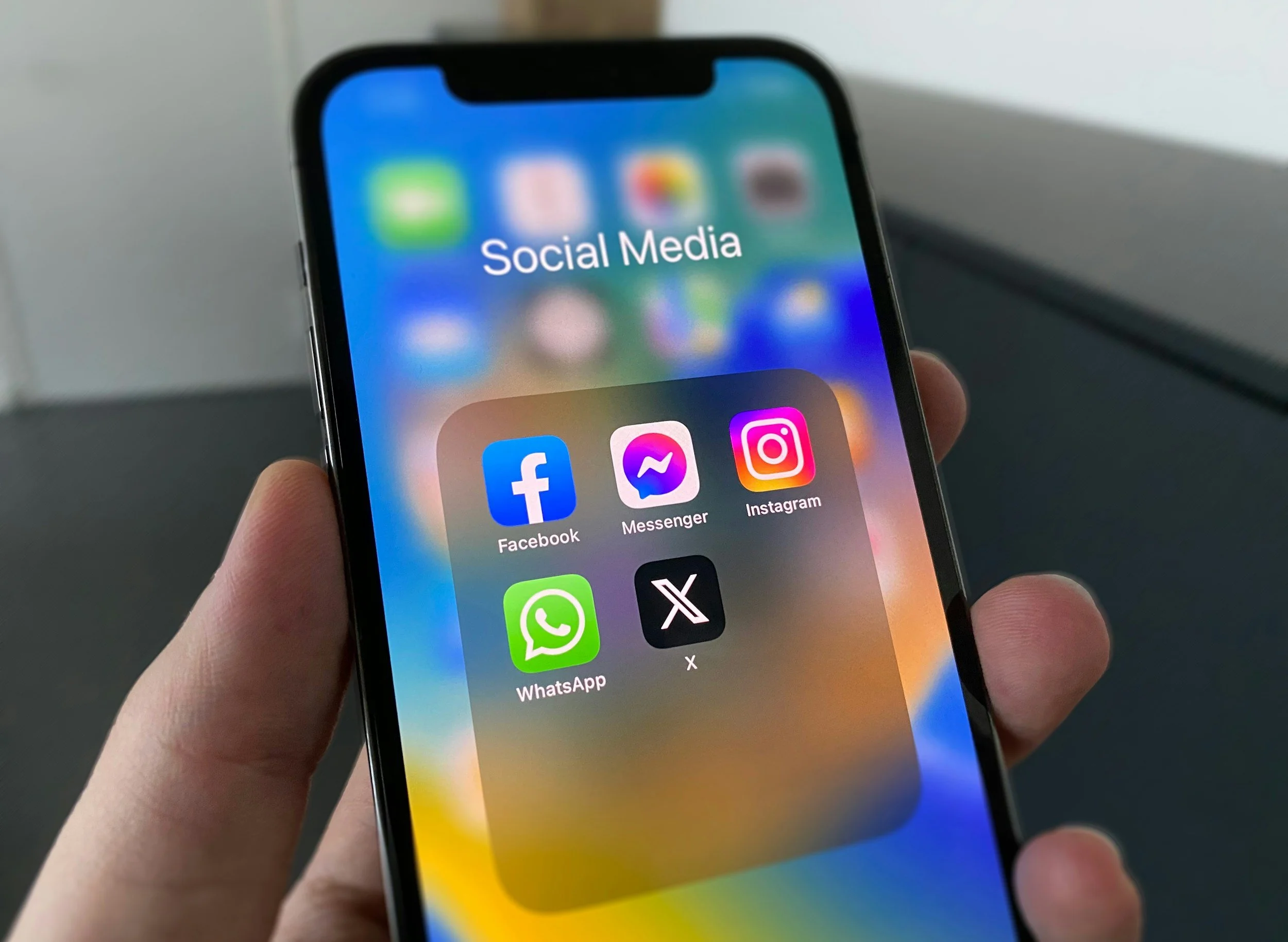
Athlete Identity: The Impact of Social Media
We live in the day and age of social media. We have Instagram, X, LinkedIn, TikTok, Facebook, WhatsApp, Reddit, and Pinterest to name a few. Approximately 63.9% to 68.7% of the world's population uses social media. This number differs slightly depending on where one pulls the information and from what year. The idea here is that many, many people use social media, and athletes are no exception. Social media is allowing athletes to build personal brands, control their narratives, and engage with their fan base, which all impact their athlete identity. While the above are generally considered to be positives, there is another side that we need to consider - the negatives. Athletes are more exposed to intense public scrutiny, social comparison, and mental health challenges. In this post we look at the good, the bad, and everything in between.

Neurodiversity in Sports
Neurodiversity in sports is a topic that probably doesn’t get talked about as much as we need. Scroll through any of your social media accounts or emails and see what you notice. Did you notice much around the topic of neurodiversity, sports, and athletes? Did you know that there is increasing evidence that suggests autism and ADHD may occur at higher rates in athletes than in the non-athlete population (Hoare et al., 2023; Hoare et al., 2025). Given that information, why are we not talking about this topic and taking more action?!

Brief Introduction to the Psychology of Athlete Retirement
Last week, we revisited the topic of athlete identity in preparation for this week. Why? For the following reason. As important as athlete identity is for driving high performance and motivation in sports, athlete identity is a key predictor of athlete adjustment trajectories, though the mechanisms are not as clearly established (Haslam et al., 2021b; Haslam et al., 2024). Whether athlete, coach, sport and performance professional, or mental health counselor, understanding athlete identity is crucial. It also means that, given we don’t know the mechanisms, we must pay attention and remember to work with an athlete as a whole person.
Athlete Identity: What Is It?
As a working definition, identity is the amalgamation of memories, experiences, relationships, and values that a person uses to help define a sense of self. New experiences and facets can be incorporated through time. Remember, no definition is perfect and researchers are always learning more. For now, this definition will serve our purpose. Let’s begin by highlighting a couple key points from this definition.

Fatphobia in Sports
This week's focus is fatphobia. As before with the previous posts on racism and gender inequity, we will not be able to do this topic justice in such a short space. However, hopefully it serves as a pathway for understanding more about this topic and how it’s a systemic issue that must be addressed.
What is Order - Emotion, Feeling, Thought - What is the Difference? And, Why Does It Matter?
There is a complex interplay between emotions, feelings, and thoughts. Learn more about this interplay and why it matters.
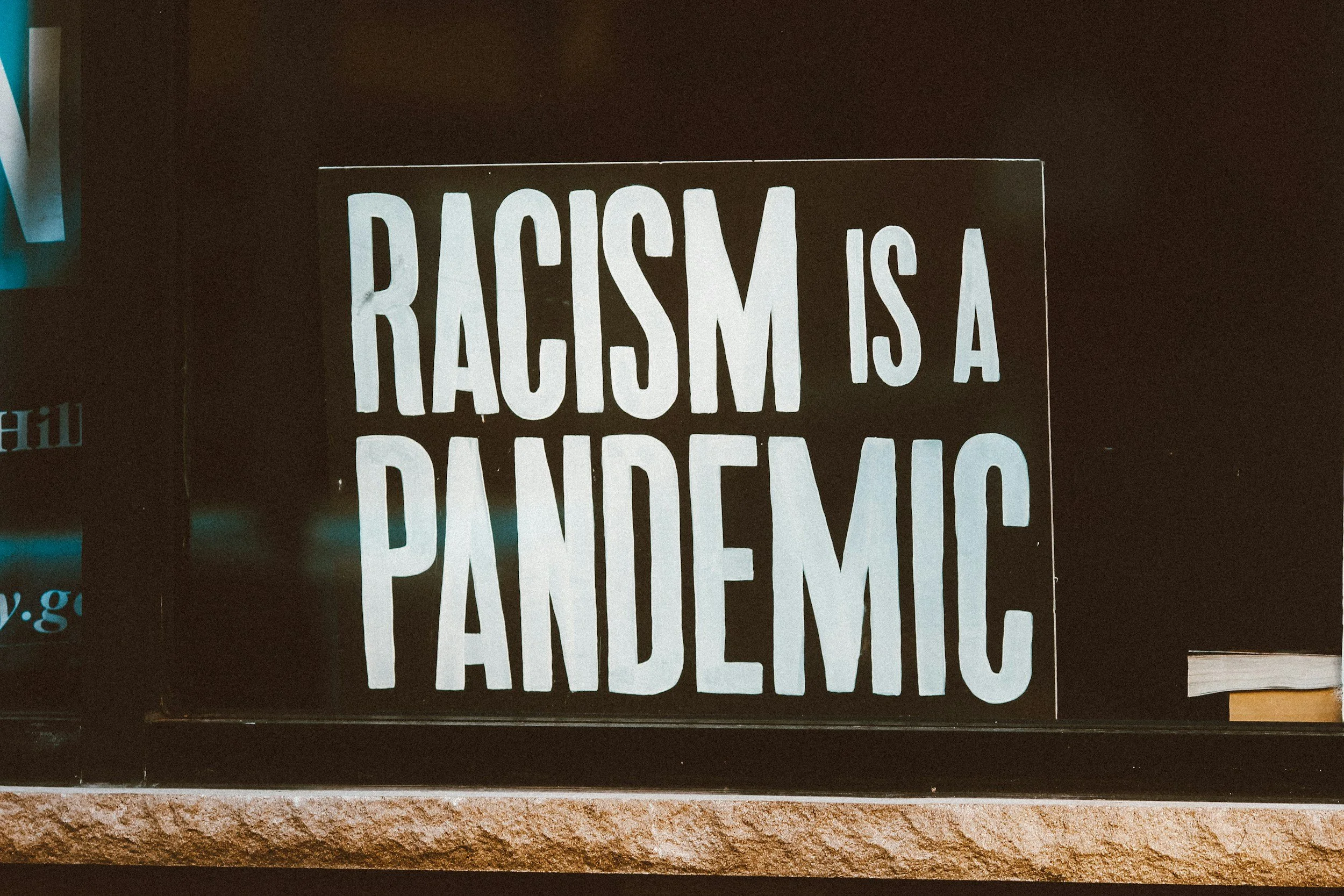
Racism in Sports
Last week focused on gender inequity in sports, this week we turn to another systemic issue in sports, racism. These topics can be challenging to dive into, and they are essential topics that must be addressed. This post may be triggering for some, please make sure to take care of yourself. Thank you in advance for diving in and facing racism head on!
Racism takes many forms in sports. Racism shows up in numerous ways and incorporates a multitude of acts and processes that operate on the individual level and the institutional level, either overtly or covertly (Hylton, 2010).
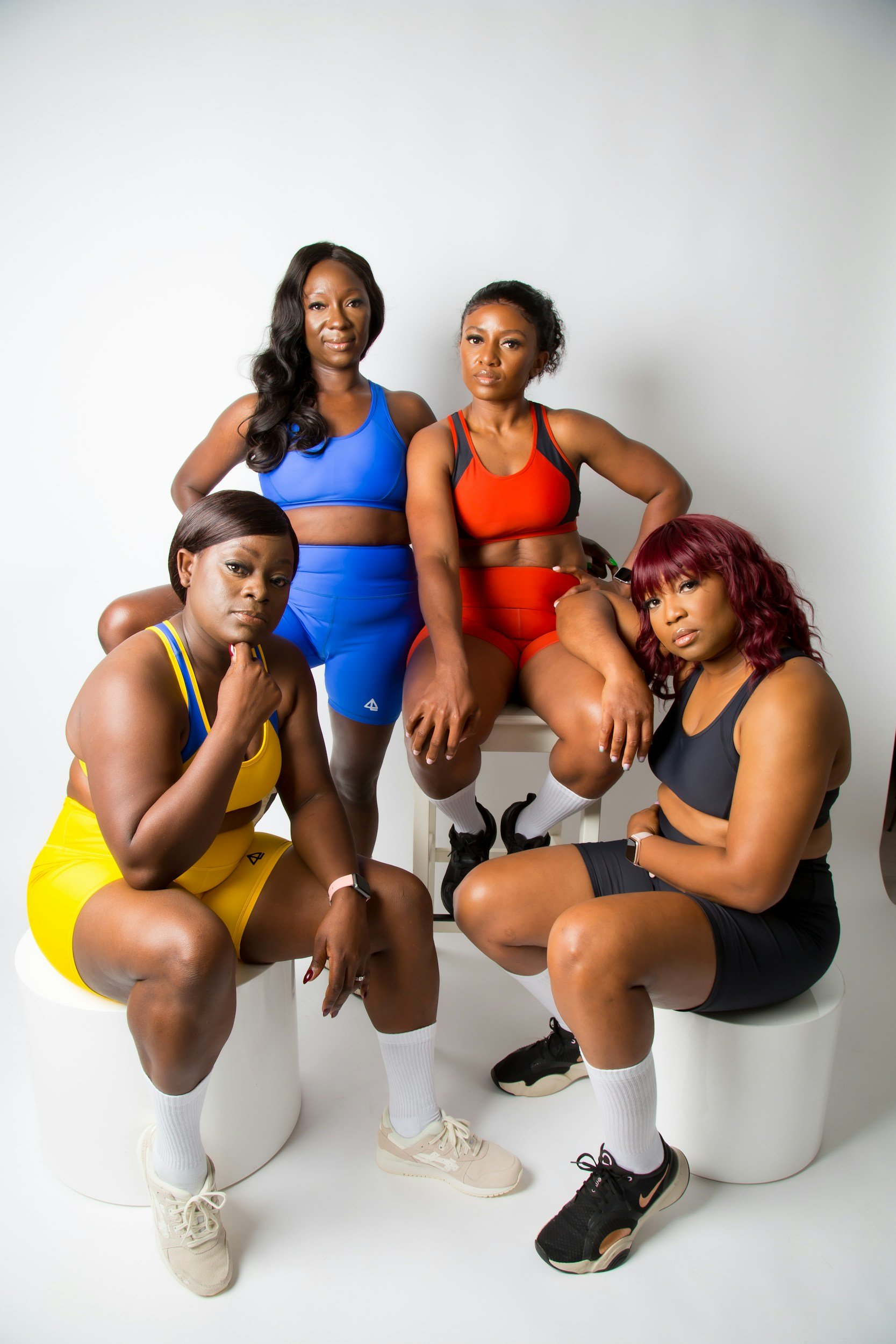
Gender Inequality in Sports
When it comes to gender inequity in sports, one blog post cannot do the conversation justice. There are many conversations and threads that must be discussed. Moreover, conversations need to be turned into action. However, we must begin somewhere. This blog post hopes to serve as primer to introduce the topic in hopes of inspiring more conversations and action to bring about lasting change.

What Do Rugby and Artistic Swimming Have in Common? Part 2
Welcome to part 2 in this series about artistic swimming and rugby. Hopefully, last week encouraged everyone to learn more about both of these sports and any associated biases. Now it is time to look at these two sports through the lens of stigma. While these two sports may seem vastly different, how they are impacted by stigma brings them closer together as they are often misunderstood by the general public. These misconceptions include the nature of their athleticism, the intense physical impacts, and the gender-based stereotypes. Let’s begin our exploration on the impacts of stigma on these two sports.
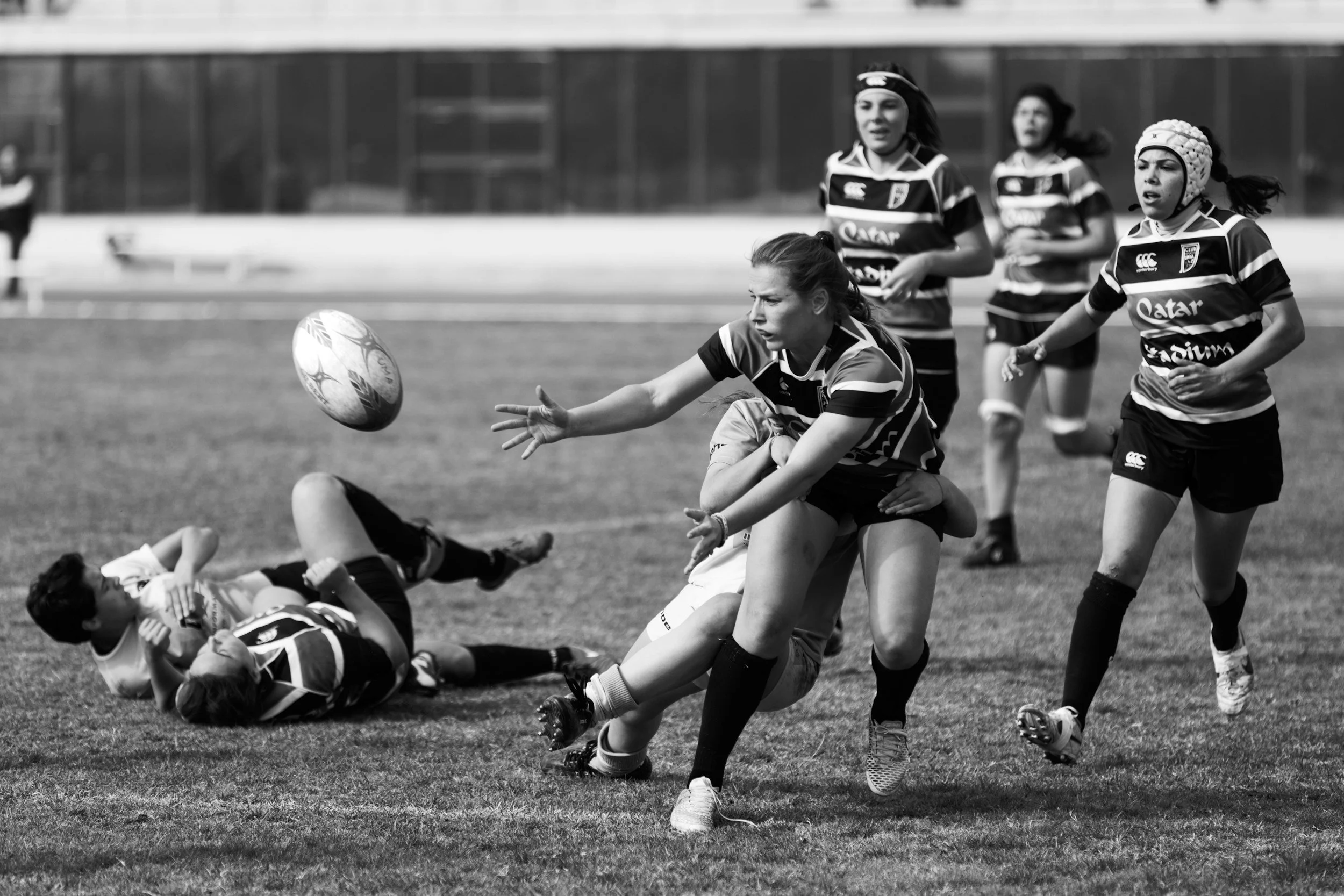
What Do Rugby and Artistic Swimming Have in Common? Part 1
How often do we even think about comparing rugby and artistic swimming? Probably not too often, however, there is an important reason to explore these two sports and next week we will dive more deeply into this topic.

Building Creativity for Athletes
How often do people hear creativity, sports, and athletes in the same sentence? Chances are rare, if at all Yet, creativity can be one of the most essential topics in sports (Fardilha & Allen, 2020; Rasmussen et al., 2019). When we think about athletic creativity from a sport psychology perspective, many minds go to encouraging exploration, varied training, and open-ended problem solving, thus encouraging athletes to expand their flexibility and ability to identify novel solutions. The result is increased confidence and performance from the exposure to the above ideas, in addition to other topics such as the introduction of novel ideas, the use of visualization, and adapting creative mental exercises, like role-playing and including creative non-sport activities. Mouth full! Yep! So let’s break this down a little bit and make it fun.

Sport Psychology and Training Indoors
Chances are that many people dread the thought of training indoors because the experience is not the same. There are not the same cues that people experience when they are outdoors training such as the wind, sights, and a chance to practice cornering. That can make the experience not as enjoyable. We all lack the opportunity to practice certain skills, like cornering, but at the same time gain the opportunity to practice others, like cadence.
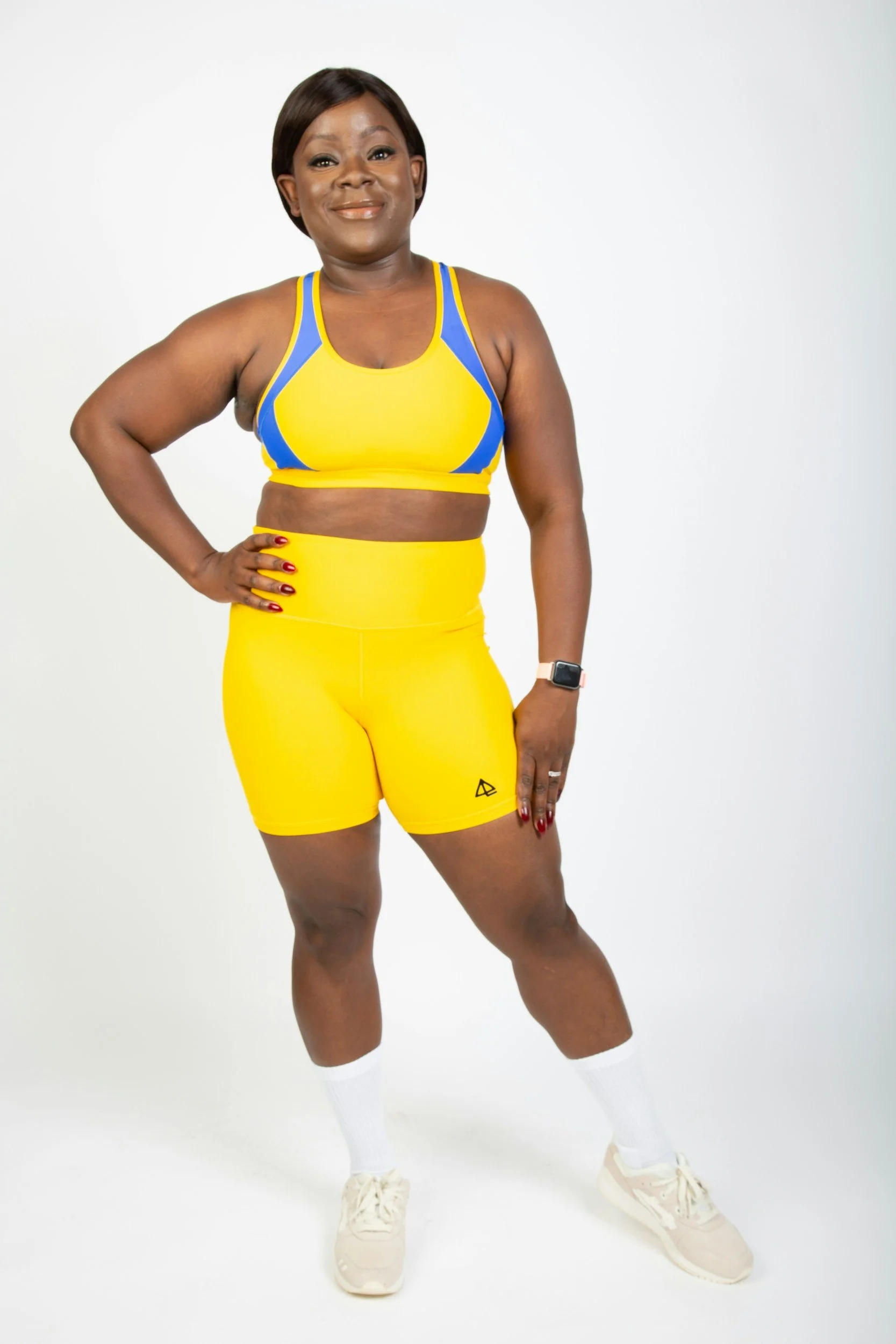
Putting the Body Back into Sport and Performance Psychology
What is something that we all have in common? If you guessed the body, you would be correct! We all have a body that we live in on a daily basis. And the several past blog posts have highlighted a few themes: mental health, sport and performance psychology, and the mind-body connection. These themes absolutely stand on their own and are essential. What they can also do together is bridge the gap between athletes and performers, sport and performance psychology, and the body. That may sound funny to say because athletes and performers use their body constantly. And yet, when we look at sport and performance psychology we see a strong focus on the mind

An Introduction to the Stigma Surrounding Sport and Performance Psychology and Athlete Mental Health
Mental health issues affect athletes at prevalence rates that are similar to the general population even with the belief that athletes are protected because of their highly active lifestyles (Petersen et al., 2023). And yet, stigma continues to be an issue for athletes when it comes to seeking support from a mental health professional or sport and performance consultant (SPC). Let’s begin our discussion because when we start to talk about mental health and sport psychology consulting we begin to break the stigma.
DisclaimerThe information provided by AbunDANCE Somatic Center (“we,” “us,” or “our”) on this platform is for general informational purposes only. All information is provided in good faith, however, we make no representation or warranty of any kind, express or implied, regarding the accuracy, adequacy, validity, reliability, or completeness of any information.
Under no circumstance shall we have any liability to you for any loss or damage of any kind incurred as a result of the use of the site or reliance on any information provided. Your use of the site and your reliance on any information on the site is solely at your own risk. This content is not intended to be a substitute for professional medical advice, diagnosis, or treatment. Always seek the advice of your physician or other qualified health provider with any questions you may have regarding a medical or mental health condition.