Athlete Identity: The Impact of Social Media
We live in the day and age of social media. We have Instagram, X, LinkedIn, TikTok, Facebook, WhatsApp, Reddit, and Pinterest to name a few. Approximately 63.9% to 68.7% of the world's population uses social media. This number differs slightly depending on where one pulls the information and from what year. The idea here is that many, many people use social media, and athletes are no exception. Social media is allowing athletes to build personal brands, control their narratives, and engage with their fan base, which all impact their athlete identity. While the above are generally considered to be positives, there is another side that we need to consider - the negatives. Athletes are more exposed to intense public scrutiny, social comparison, and mental health challenges. In this post we look at the good, the bad, and everything in between.
Impact on Athlete Identity and Brand
Many of us have probably heard the terms ‘influencer’ or ‘personal brand identity’. Still let’s do some level setting to make sure that we are on the same page. An influencer is someone with the power to sway a specific audience in terms of their opinions, behaviors, or purchasing decisions via their social media fan base. And now for personal brand identity. A personal brand identity is an intentional and strategic combination of someone’s values, expertise, and personality that constructs a certain public reputation. With social media, athletes have direct access to people and potential fans, which provides them the opportunity to frame themselves as they want (Coche, 2017). Many athletes, not all, transition from being a player to having an influencer identity where they give people the opportunity to see pieces of their personal life, behind-the-scenes content, and build personal brands. While there is potential to build support and connection with people, there is also the double edge of experiencing the pressure to appear authentic while also protecting themselves so there may be the need to carefully curate their online presence to appease people and potential sponsors. Now let’s take this from an individual perspective to a team perspective. The league and team represent master brands that an athlete’s brand is integrated into, which can result in an athlete’s brand receiving some of the benefit or what is called network effects (Su et al., 2020).
Visibility and Connection
Social media gives us 24/7, instantaneous connectivity that can span between different barriers such as time zone, countries in the world, and even social. The types of connections can be both active and passive, and even offer the opportunity to build community. It gives people connections in specific ways and is different from direct connection between human to human. This may seem like an obvious statement to say that social media connection is different from human to human connection. It still is worth stating because there are pros and cons we must consider. Because this post is not focused on this topic, only one more example will be provided. In youth, social media may only build shallow or weak ties between people while on the flip side it may help with online political action (Twenge, 2013). The double edge strikes again. Athletes can use social media to increase engagement, while also sharing their voice for social or political issues. Think about how when an athlete shares a picture or video of their family time. When people see these pictures it creates a connection eliciting our potential feelings about family.
Wellbeing and Criticism
Being on social media platforms means that one is opening themselves up to both support and potentially hurtful messages. For example, athletes that break what some groups of people consider norms will withdraw support and share their thoughts on what they deem the physical, psychosocial, and career-related consequences for the athletes (MacPherson & Kerr, 2021). Translation: athletes can absolutely face online abuse, harassment, and intense scrutiny after a performance that people deem poor, which can lead to psychological distress and all sorts conflicting emotions. Additionally, all the pressure to maintain their image on social media could lead to anxiety, performance issues, and even the feeling of being constantly compared to others. This is why many athletes decide to “go dark” on social media before big games so they don’t have to engage with any of the comments, reducing distraction.
There is a lot to think about when it comes to athletes, athlete identity, and social media. It is not a straightforward conversation. There are many different facets to the conversation that all contain shades of gray. One thing is for sure, we do need to think about what it means for us and for others to share aspects of ourselves on social media and what that means for our own wellbeing and identity. Remember to treat yourself and others with kindness and care.
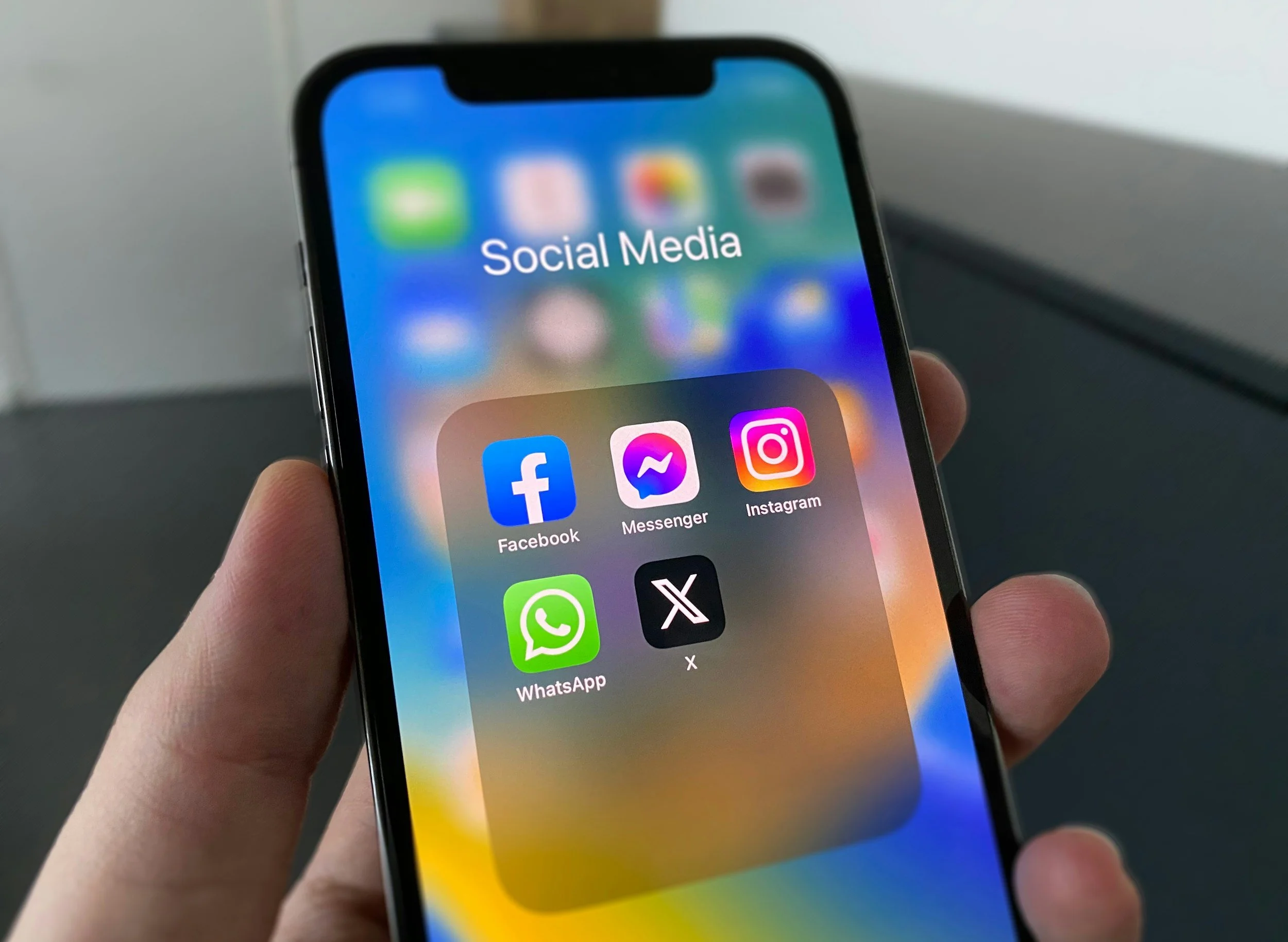
A hand holding a black cell phone. On the screen there social media apps being shown. These apps include: Facebook, Facebook Messenger, Instagram, WhatsApp, and X.
take action today moment:
Take some time to think about the intersections of identity and athletics, especially in the context of the posts done previously to this on athlete identity. When social media is involved in athlete identity, can it build, change, or challenge one’s athlete identity? What are the benefits and challenges? And, what does one need to consider before integrating social media into their lives? These may seem like easy questions, but they may be more complex upon reflection.
References
Coche, R. (2017). How athletes frame themselves on social media: An analysis of Twitter profiles. Journal of Sports Media, 12(1), 89-112. doi: 10.1353/jsm.2017.0004
MacPherson, E., & Kerr, G. (2021). Sport fans’ responses on social media to professional athletes’ norm violations. International Journal of Sport and Exercise Psychology, 19(1), 102-119. https://doi.org/10.1080/1612197X.2019.1623283
Su, Y., Baker, B. J., Doyle, J. P., & Kunkel, T. (2020). The rise of an athlete brand: Factors influencing the social media following of athletes. Sport Marketing Quarterly, 29(1), 33-46. https://scholarshare.temple.edu/server/api/core/bitstreams/d2272397-5daf-4c1d-bb7a-6e4d66c13e81/content
Twenge, J. M. (2013). Does online social media lead to social connection or social disconnection?. Journal of College and Character, 14(1), 11-20. https://doi.org/10.1515/jcc-2013-0003