
The Bare Branch: Finding Strength in Vulnerability After the Shedding
And now, the leaves are gone. The tree is bare.
What remains of the trees are exposed and quiet. Standing under a canopy of bare branches can feel unsettling. Without the vibrant foliage to soften the skyline, every curve, bend, and scar on the tree trunks are completely visible. The trees are exposed.
The phase right after a major transition—after we’ve set the boundary, walked away from the old role, retired from the sport, or dropped an outdated habit—often feels like standing bare against a cold sky. It is vulnerable, quiet, and deeply uncomfortable.
Yet, the bare branch is not a sign of defeat or weakness. It is the moment a tree relies entirely on its core structure.

Fall Leaf Inspiration: Brown - The Healing Power of Letting Go
By late fall, the vibrant canopy of reds, oranges, and yellows gives way to an earthier tone: rich, grounded brown. Leaves fall to the ground, blanketing the soil. To the untrained eye, these dry brown leaves might look like the end of life—a stark symbol of loss or decay.
In reality, fallen brown leaves are proof that letting go is a natural, essential part of healing.
A tree doesn't hold onto dead foliage out of fear of what comes next. It drops its leaves to protect its roots from freezing temperatures, conserving its energy so it can survive the winter and bloom again in spring. Nature doesn't mourn what falls; it lets the old decompose to nourish the soil for future growth. Those leaves also provide critical winter shelter for wildlife.

Fall Leaf Inspiration: Red - The Strength of Setting Clear Boundaries
In nature, red leaves are a sign of intense, protective energy. Right before a tree sheds its foliage, it produces anthocyanins—the vivid red pigments—to shield its branches from sun damage and protect its core nutrients as cold weather sets in (Feild et al., 2001). The deep red leaf is not a sign of retreat; it is a masterclass in self-preservation and strength as the tree begins the process of pulling its resources into itself to prepare for winter.

Fall Leaf Inspiration: Orange - Embracing the Beauty and Fear of Life's Shifts
Sugar Maple and Shumard Oak leaves turn pumpkin and copper, glowing warmly against cool autumn skies. Seeing these colors is one of the most stunning visual displays in nature—yet biologically for the tree, it is a marker of transformation and the tree prepares for winter. The tree is letting go of what was, preparing for what is coming, and adapting to a brand-new season.
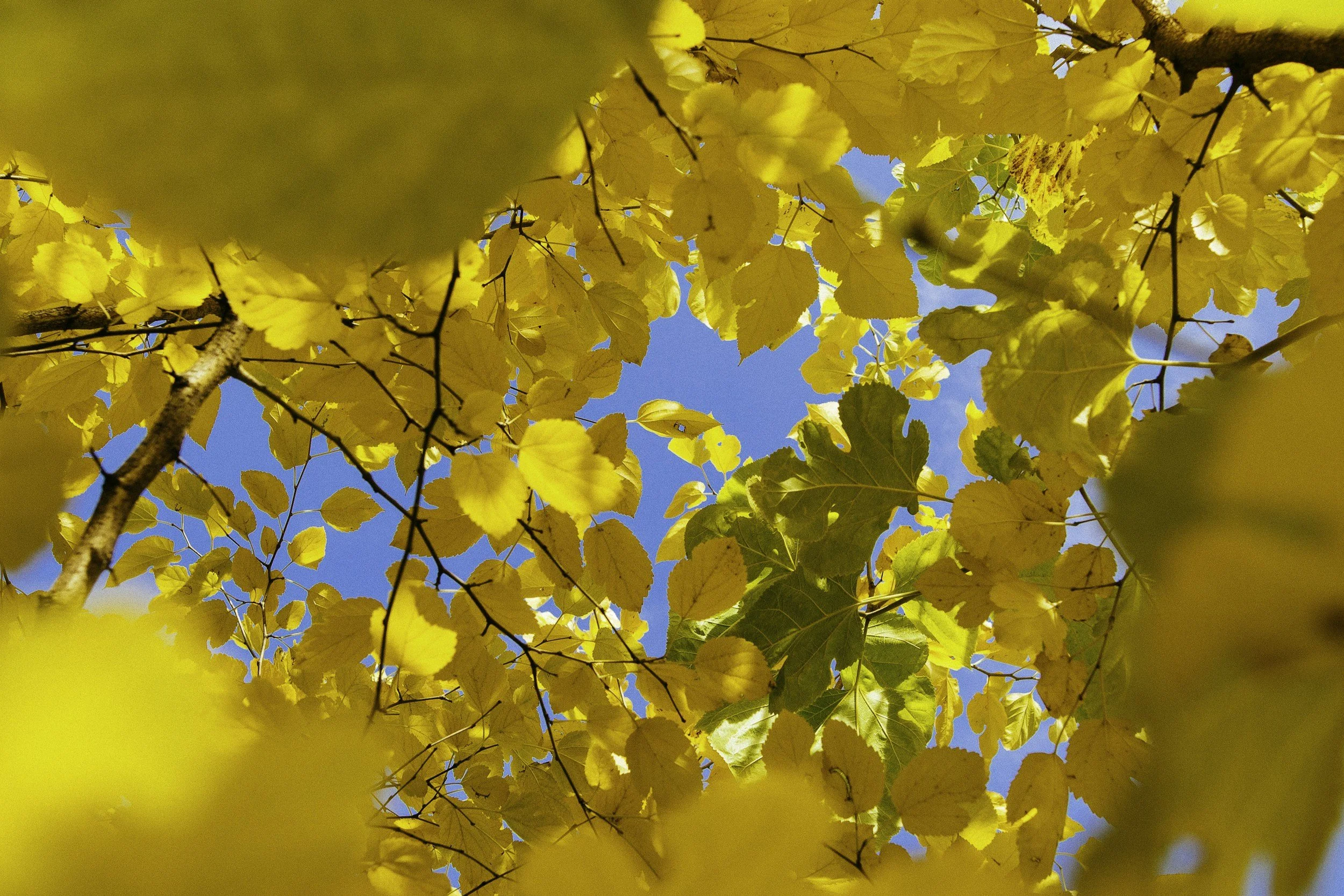
Fall Leaf Inspiration: Yellow - Finding Small Joys in Dark Seasons
Among the changing colors of the tree leaves, there are bright yellow leaves catching the sunlight. They don’t change the fact that winter is coming, nor do they erase the cold air and the changes that come with the season. But they do something equally important: they offer small spots of light right in the middle of the dark.

The Fall Slowdown: Overcoming the Fear of Resting as the Days Get Shorter
Last week’s blog post focused on a fall inspired digital detox. If you decided to give it a try by putting down your phone, clearing out your inbox, and stepping away from the endless ping of notifications you might have noticed an unexpected effect as the noise began to clear out.
Silence. And with that silence, a deeper awareness of what your mind and body are experiencing. And maybe, you might have noticed a sense of fatigue or a desire to slow down. If not that is okay as well!

Decluttering Your Mind: A Fall Guide to Digital Detox
While summer has not quite left us in the Northern Hemisphere, we can start thinking about getting ready for fall so we are ready for it when it arrives. Fall gives us the opportunity to breathe in crisp air, play in the leaves, enjoy pumpkin spice, and potentially enjoy a routine-oriented schedule. This makes fall a great season to reset, reduce mental overwhelm, and reclaim time for seasonal joys like reading, hobbies, or spending time outdoors. In this blog post we will look at practical strategies to help you get ready for fall!
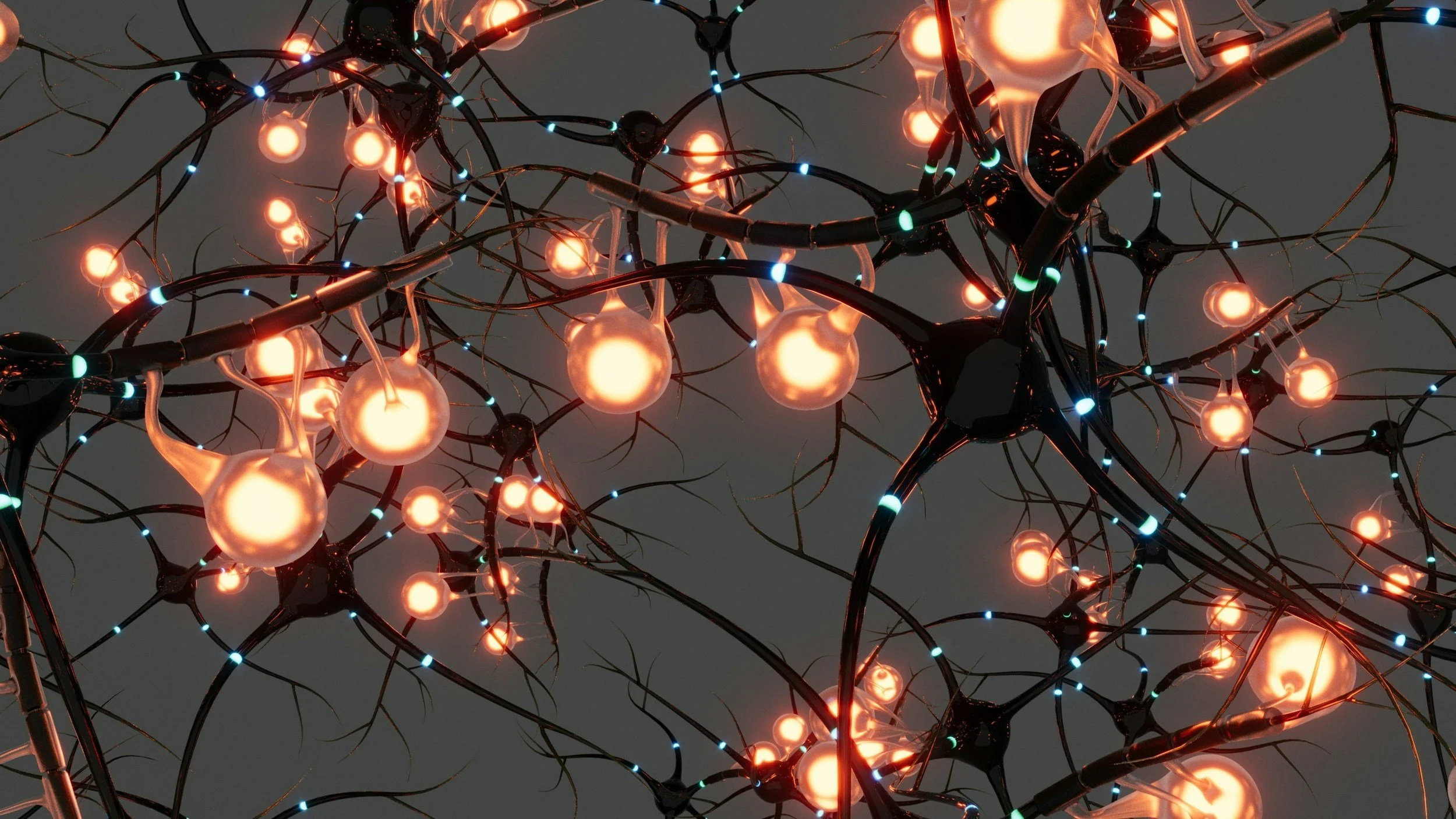
Protecting Your Brain as an Athlete
Our brains are essential to our daily lives! That might be one of the most obvious statements. Still, it’s worth saying because we can occasionally take our brains for granted. We can see this in athletics sometimes, so it is essential that we make the brain the center of our conversation at times. So it is with that in mind that we take a look at what protecting our brain in the context of athletics means. Protecting the brain in athletics is a multi-layered approach that requires thinking about physical safety, neurobiology, and sports psychology. The brain serves as the “hardware” for our athletic performance and injuries or chronic stress, for example, can impact reaction time, emotional regulation, and physical coordination, to name a few. So let’s dive into our conversation about protecting the brain in the context of athletics!
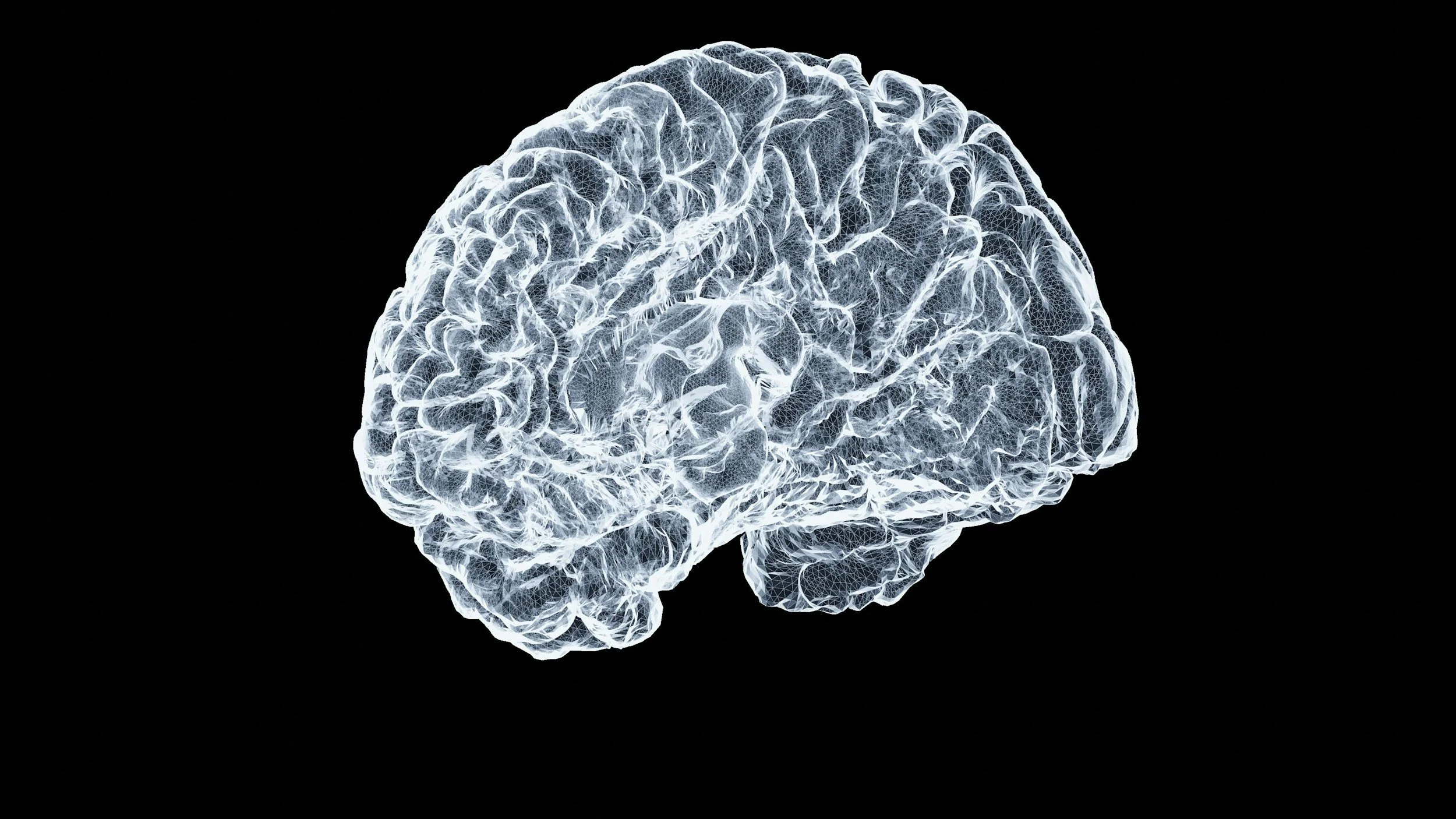
Fallibility of Human Memory
Memory is a constructive process, not a literal reproduction of the past, which can be prone to errors and distortions (Schacter, 2012; Schacter & Thakral, 2024). Because memories are pulled together from different fragments or pieces of information, that is where our memories become subject to distortion, misinformation, or misidentification. With that being said, this constructive process is functional, allowing us to use our past experiences to help us imagine future scenarios.
Summer Solstice! Welcome Summer!
This year the solstice happens on Sunday, June 21, at 4:24 A.M. EDT when the Earth is at the point in its orbit where the North Pole reaches its maximum tilt (approximately 23.5 degrees) toward the Sun (Almanac, 2025). This is also the time when the Northern Hemisphere is exposed to the Sun at the most direct angle of the year. This time of year has some profound implications for neurobiology and psychological well-being. These are what we are going to explore in preparation for June 21st!

Neurodiversity in Sports
Neurodiversity in sports is a topic that probably doesn’t get talked about as much as we need. Scroll through any of your social media accounts or emails and see what you notice. Did you notice much around the topic of neurodiversity, sports, and athletes? Did you know that there is increasing evidence that suggests autism and ADHD may occur at higher rates in athletes than in the non-athlete population (Hoare et al., 2023; Hoare et al., 2025). Given that information, why are we not talking about this topic and taking more action?!

Fatphobia in Sports
This week's focus is fatphobia. As before with the previous posts on racism and gender inequity, we will not be able to do this topic justice in such a short space. However, hopefully it serves as a pathway for understanding more about this topic and how it’s a systemic issue that must be addressed.

What is Order - Emotion, Feeling, Thought - What is the Difference? And, Why Does It Matter?
There is a complex interplay between emotions, feelings, and thoughts. Learn more about this interplay and why it matters.
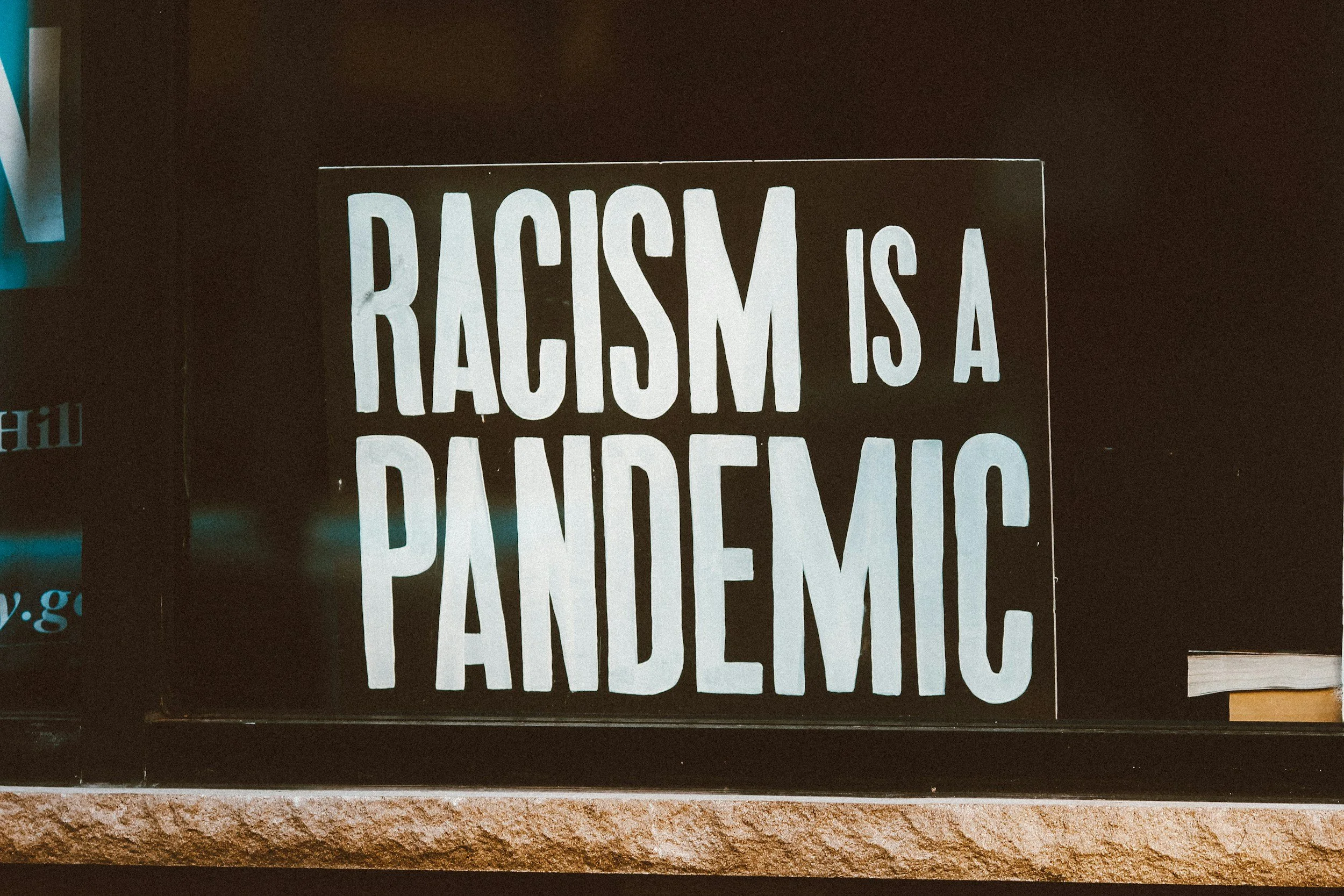
Racism in Sports
Last week focused on gender inequity in sports, this week we turn to another systemic issue in sports, racism. These topics can be challenging to dive into, and they are essential topics that must be addressed. This post may be triggering for some, please make sure to take care of yourself. Thank you in advance for diving in and facing racism head on!
Racism takes many forms in sports. Racism shows up in numerous ways and incorporates a multitude of acts and processes that operate on the individual level and the institutional level, either overtly or covertly (Hylton, 2010).
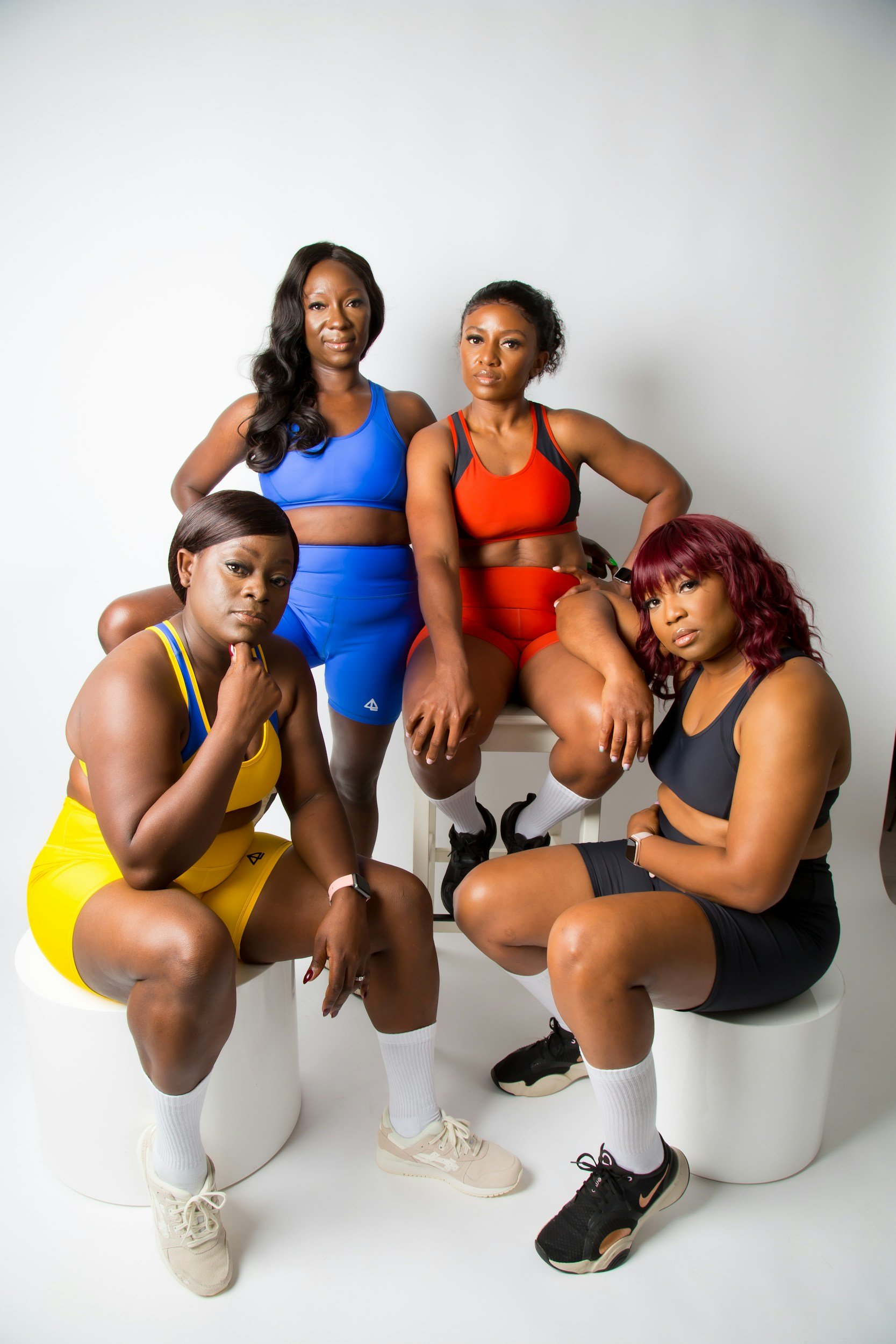
Gender Inequality in Sports
When it comes to gender inequity in sports, one blog post cannot do the conversation justice. There are many conversations and threads that must be discussed. Moreover, conversations need to be turned into action. However, we must begin somewhere. This blog post hopes to serve as primer to introduce the topic in hopes of inspiring more conversations and action to bring about lasting change.
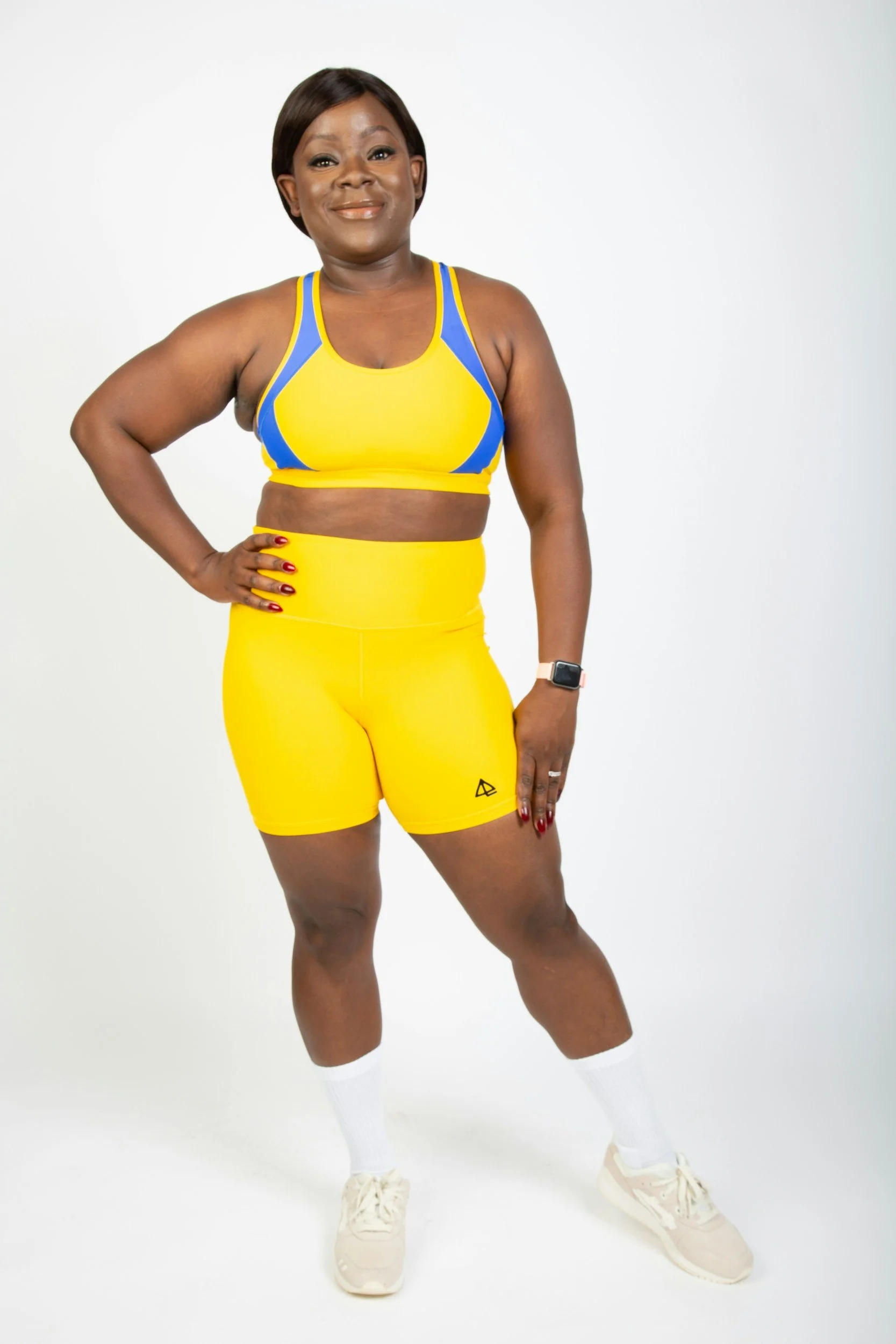
Putting the Body Back into Sport and Performance Psychology
What is something that we all have in common? If you guessed the body, you would be correct! We all have a body that we live in on a daily basis. And the several past blog posts have highlighted a few themes: mental health, sport and performance psychology, and the mind-body connection. These themes absolutely stand on their own and are essential. What they can also do together is bridge the gap between athletes and performers, sport and performance psychology, and the body. That may sound funny to say because athletes and performers use their body constantly. And yet, when we look at sport and performance psychology we see a strong focus on the mind

Interoception
Interoception is the sense of your body's internal state, providing awareness of things like your heartbeat, bodily sensations, or thirst. Simply put, interoception is our ability to sense and be aware of what is happening within our own bodies. Why is it so important to us? Let’s dive in and find out why.

Embodiment
Is embodiment a noun or a verb? Embodiment may be considered a verb because it is a process that is both deliberate and engaging, rather than a static concept. Humans have a choice as to whether we fully engage in our experiences, partial engage, or complete check out.
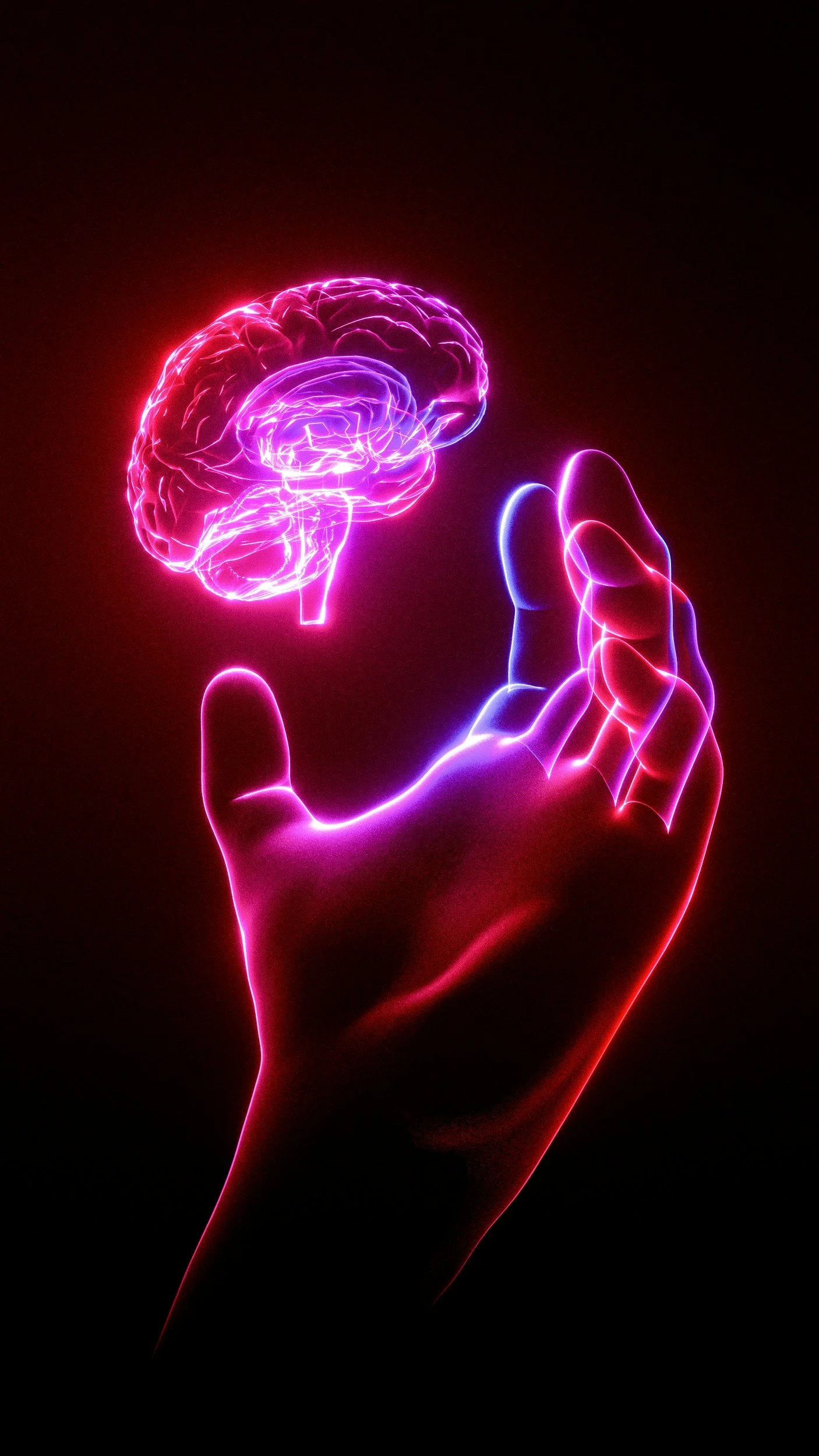
Mind-Body Connection
The mind-body connection is the intricate, bi-directional relationship that exists between our thoughts, emotions, and physical health and the body. What is important to note here is that we are talking about a connection. The mind and the body are not two separate entities, rather they are interconnected and influence each other. There is growing research that is now demonstrating how both the mind and the body have the potential to impact cardiovascular health negatively and positively (Levine, 2019).

An Introduction to the Stigma Surrounding Sport and Performance Psychology and Athlete Mental Health
Mental health issues affect athletes at prevalence rates that are similar to the general population even with the belief that athletes are protected because of their highly active lifestyles (Petersen et al., 2023). And yet, stigma continues to be an issue for athletes when it comes to seeking support from a mental health professional or sport and performance consultant (SPC). Let’s begin our discussion because when we start to talk about mental health and sport psychology consulting we begin to break the stigma.
DisclaimerThe information provided by AbunDANCE Somatic Center (“we,” “us,” or “our”) on this platform is for general informational purposes only. All information is provided in good faith, however, we make no representation or warranty of any kind, express or implied, regarding the accuracy, adequacy, validity, reliability, or completeness of any information.
Under no circumstance shall we have any liability to you for any loss or damage of any kind incurred as a result of the use of the site or reliance on any information provided. Your use of the site and your reliance on any information on the site is solely at your own risk. This content is not intended to be a substitute for professional medical advice, diagnosis, or treatment. Always seek the advice of your physician or other qualified health provider with any questions you may have regarding a medical or mental health condition.