
DNFing an Event or Race
The dreaded DNF, Did Not Finish! Why is this person writing about DNFing? Because we need to talk about it so that instead of dreading the DNF we understand how to use it to our advantage.

Ironman Triathlon Mental Toughness: Any Type of Athlete Can Learn About Mental Toughness from This Post
If MT is a must, then we need to understand what MT is and how someone can begin to build MT. The definition of MT that this post will utilize is the following:
“MT can be defined as a state-like psychological resource that is purposeful, flexible, and efficient in nature for the enactment and maintenance of goal-directed pursuits.”
(Gucciardi, 2017, p. 18)

Reinvestment Theory
Reinvestment Theory (Masters, 1992; Masters et al., 1993; Masters, 2000) suggests that relatively automated motor processes may be disruptable if this processing is running by means of conscious access and task-relevant declarative knowledge is what is controlling the mechanics of the movements on-line. Understanding Reinvestment Theory may help athletes avoid reinvestment issues within the context of still tailoring based on the individual characteristics as well as other characteristics, such as developmental stage, learning style, or awareness of internal and external awareness.

The Complexities of Athlete Learning Part 2
Part 2! Last time, we looked at errorless learning and external and internal focus of attention. Now we will build on last week and continue with the analogy of the ice skater. Today we will dive head first into analogy learning and implicit and explicit learning techniques.

The Complexities of Athlete Learning Part 1
Three key teaching concepts, errorless learning, external focus of attention, and analogy learning, may be used to support this skilled athlete in enhancing performance and improving preparation.
Implicit versus Explicit Training
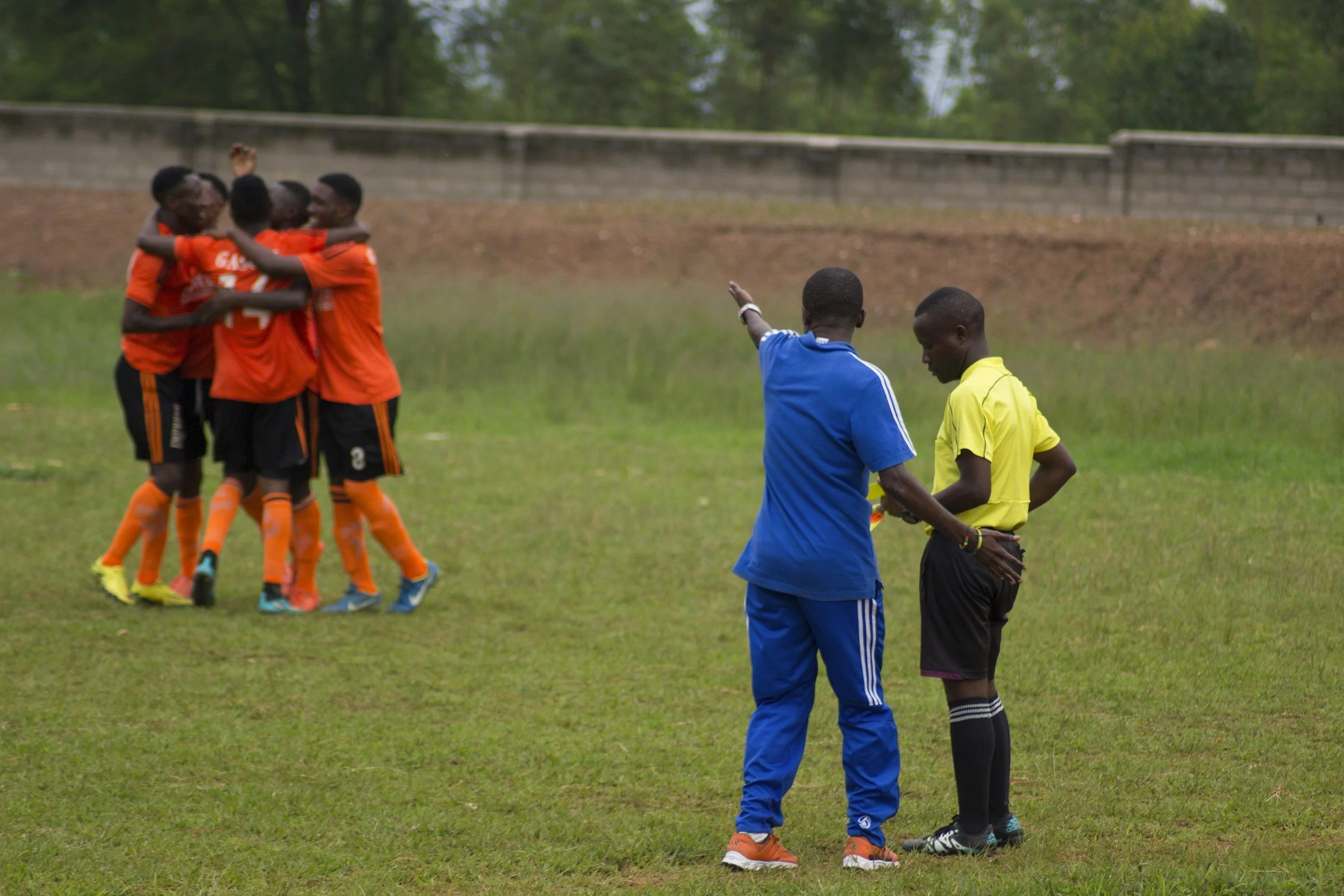
What is implicit and explicit training in the world of sports? Implicit learning is learning that happens with little to no instruction from an outside source such as a coach and is more focused on the athlete’s experience. A few good examples of this is learning to ride a bike, using an analogy to teach a skill, or allowing an athlete to learn via sensory experience versus verbal feedback. In contrast, explicit learning is where an outside source such as a coach provides an athlete with verbal instruction.

Your Zone of Optimal Functioning
Wait, what? There is a zone of optimal functioning? According to the Inverted U Principle, yes there is! But let’s dig a little deeper so that you can decide for yourself whether you agree or not.

Application of Closed-Loop And Open-Loop Control Systems
Closed-loop and open-loop control systems, what? These systems are the systems that allow us to perform movements and not just in sports or dance. Each system serves a purpose and aids performers in taking effective action in their chosen sport. Let’s learn some more about them and the importance of understanding both systems.

Fitts’ Law in Motion
These stages help guide how Fitts' Law informs the role of motor learning and integration.

Growth Mindset
Dweck talks about the growth mindset and the fixed mindset. As the growth mindset speaks about fostering one’s ability to persist and build a skill set versus the fixed mindset that talks about the belief in innate ability.

Getting Your Attention
Attention and concentration in sports is a hot topic, and as with other hot topics in sports, there are different theories about attention. Attention is, basically, what we are seeing or observing. There is also value in understanding theory in order to understand how it can be applied in your life. So, while it may be a bit information dense, it will be worth taking the time. Below we will explore three different theories of attentional processes.

Motivational Theories in Sports Psychology
What is motivation? Why should we care about motivation? Motivation is what drives us to accomplish our goals. Researchers are always interested in learning about different concepts, including motivation and why we want to reach our goals. Two different theories have been proposed based on some of the research coming out of the field of sports psychology. Let’s learn a little bit about two of these theories to see if they can be of benefit to you.

Sources of Sport Confidence Model Reflections
Vealey's model of sport-confidence provides the following list, in no specific order, of forces or sources that impact an athlete's self-confidence:
Mastery
Demonstration of ability
Social support
Physical/mental preparation
Physical self-perception
Vicarious experience
Coach’s leadership
Environmental comfort
Situational favorableness

Winter Solstice!
Winter is here! This solstice marks the beginning of what is known as astronomical winter, not meteorological winter. And maybe it marks the beginning of something else. What if it was to mark the beginning of a time of wonder and magic?

The Nature of Fear
When we can understand the signs of fear, we can then befriend our fear, thank it, and then invite courage and self-compassion to the party so that we can act from that place instead of the fearful place.

The Sting and Learning Lessons of Rejection
Let’s face it, rejection hurts and stings! It is something that many would prefer to go without. There are so many facets when talking about rejection because it is such a complex topic.

Doing the Best You Can!
Perfectionism is a myth, and yet many of us strive for it in our personal lives, professional lives, and, if we are in a leadership position, it may even show up in our expectations of others. We can strive for perfectionism implicitly or explicitly and sometimes the implicit striving can be the most difficult to find compassion for and reflect on.

Priorities - Where We Place Things
How do we decide where we place our priorities? Take a minute and think about that before reading further. Consider taking some notes, drawing, or doing anything else that helps.

Mental Blocks
The mental block is there for a reason. It is telling us something that we need to pay attention to. Oftentimes we spend energy fighting the mental block, give up, or skip the opportunity to explore why it exists.
Talking About Difficult Topics
Talking about difficult topics is not easy, as we all know, nor is it high on our lists of something we love to do. It’s why we call them ‘difficult’. And yet, difficult conversations have to happen for the benefit of ourselves, others, culture, and society.
DisclaimerThe information provided by AbunDANCE Somatic Center (“we,” “us,” or “our”) on this platform is for general informational purposes only. All information is provided in good faith, however, we make no representation or warranty of any kind, express or implied, regarding the accuracy, adequacy, validity, reliability, or completeness of any information.
Under no circumstance shall we have any liability to you for any loss or damage of any kind incurred as a result of the use of the site or reliance on any information provided. Your use of the site and your reliance on any information on the site is solely at your own risk. This content is not intended to be a substitute for professional medical advice, diagnosis, or treatment. Always seek the advice of your physician or other qualified health provider with any questions you may have regarding a medical or mental health condition.