Spooky Season for the Nervous System: Demystifying the Fight, Flight, or Freeze Response
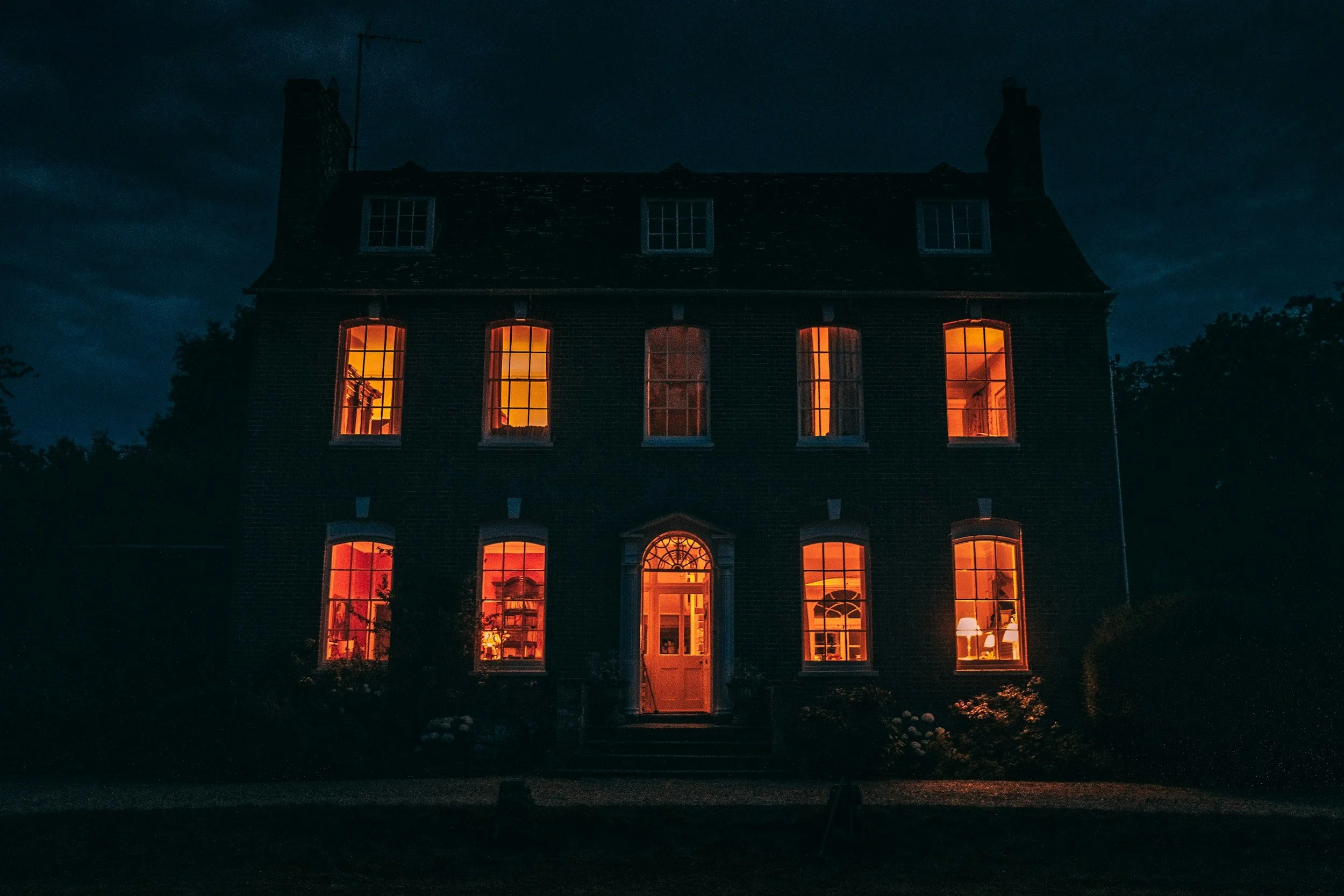
When we step into haunted houses, fake monsters jump out of the shadows, and we may gasp, jump, or scream. We may even hear others behind us or ahead of us scream. Seconds later, we may then laugh with our friends or family as the adrenaline washes out of your system. We know that experience is a set up meant to intentionally give us a fright and that nothing can happen to us. And yet our mind and body respond in a manner that makes it all feel real.
It’s fun when it’s entertainment. But for millions of people—especially high performers, athletes, and those navigating chronic stress or trauma—a similar "haunted house" reaction is happening inside their bodies during normal, everyday moments: during a team meeting, right before a game, or while sitting in traffic.

Unmasking Your Survival Patterns, Not Your Halloween Mask
Long before October arrives, we wear invisible masks every day: the mask of the tireless overachiever, the effortless people-pleaser, the calm professional who never gets stressed, or the stoic athlete who feels no pain. We can either do this unconsciously or consciously.
In psychology and somatic therapy, these masks aren't costume jewelry—they are survival patterns. They were built by your nervous system and psyche to keep us safe, accepted, and protected in environments that felt overwhelming.
Ghouls, Ghosts, and Trapped Energy: The Somatics and Psychology of Unprocessed Experiences
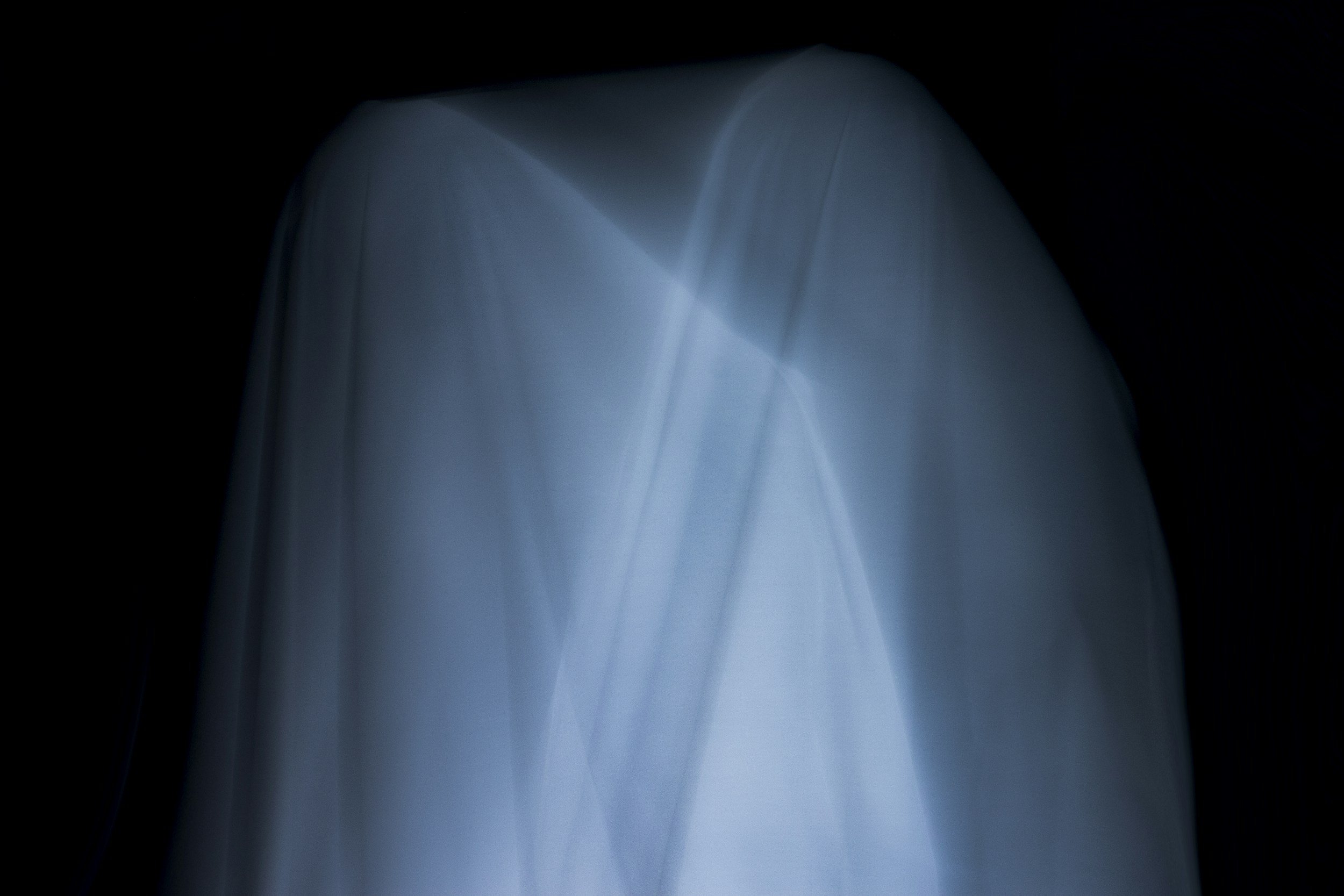
October is the season of haunted houses, ghost stories, and things that go bump in the night. We adorn porches with pumpkins, skeletons, and maybe even creaking chains for good measure and gather around firepits to tell tales of specters that refuse to rest. So many fun Halloween traditions that many of us enjoy each year!
It’s easy to treat ghosts as fun fall fiction. But if you look at human behavior through a somatic lens, most of us are walking around being "haunted" every single day—not by supernatural spirits, but by the unprocessed energy and experiences of our own past.
The Bare Branch: Finding Strength in Vulnerability After the Shedding
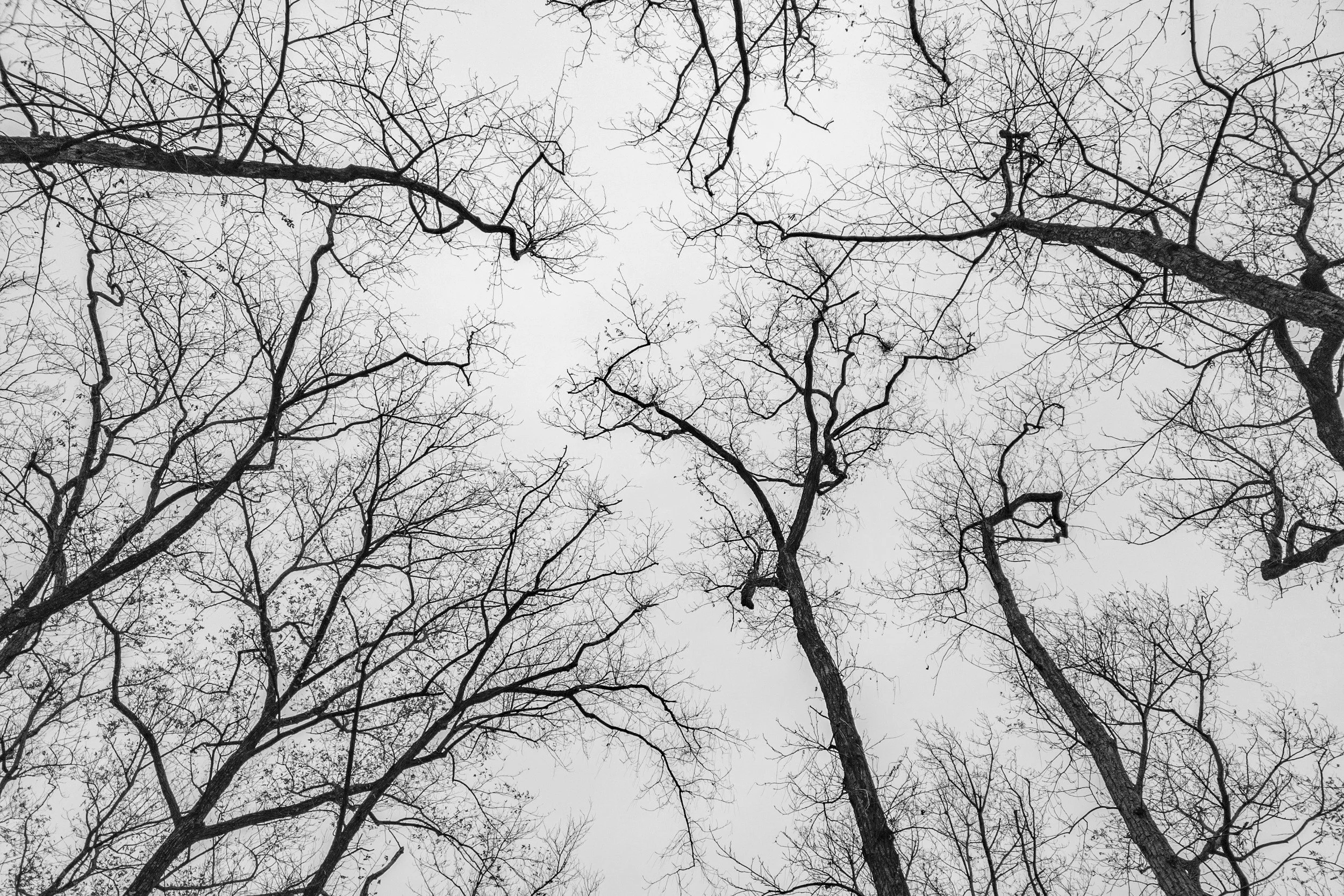
And now, the leaves are gone. The tree is bare.
What remains of the trees are exposed and quiet. Standing under a canopy of bare branches can feel unsettling. Without the vibrant foliage to soften the skyline, every curve, bend, and scar on the tree trunks are completely visible. The trees are exposed.
The phase right after a major transition—after we’ve set the boundary, walked away from the old role, retired from the sport, or dropped an outdated habit—often feels like standing bare against a cold sky. It is vulnerable, quiet, and deeply uncomfortable.
Yet, the bare branch is not a sign of defeat or weakness. It is the moment a tree relies entirely on its core structure.
Fall Leaf Inspiration: Brown - The Healing Power of Letting Go
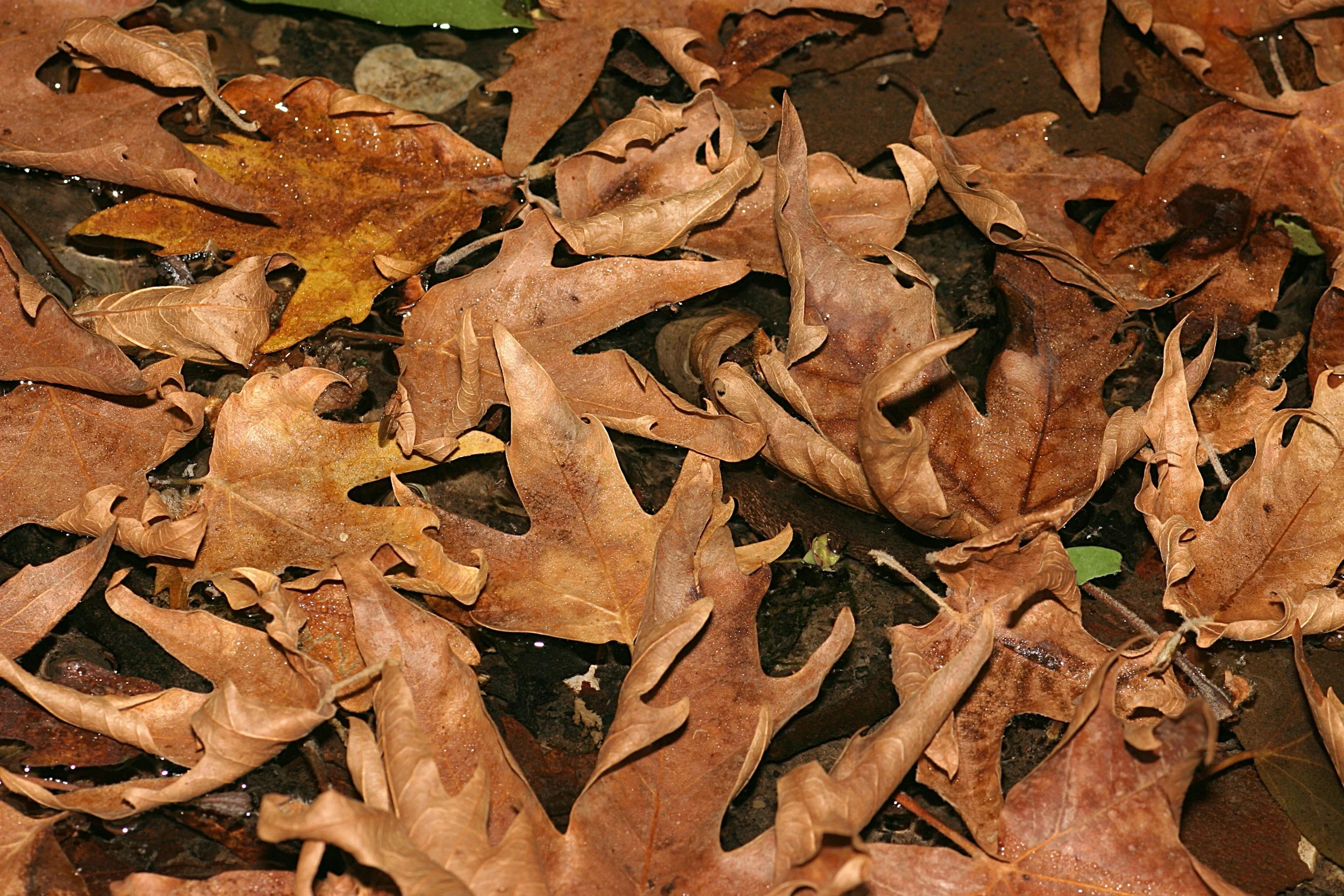
By late fall, the vibrant canopy of reds, oranges, and yellows gives way to an earthier tone: rich, grounded brown. Leaves fall to the ground, blanketing the soil. To the untrained eye, these dry brown leaves might look like the end of life—a stark symbol of loss or decay.
In reality, fallen brown leaves are proof that letting go is a natural, essential part of healing.
A tree doesn't hold onto dead foliage out of fear of what comes next. It drops its leaves to protect its roots from freezing temperatures, conserving its energy so it can survive the winter and bloom again in spring. Nature doesn't mourn what falls; it lets the old decompose to nourish the soil for future growth. Those leaves also provide critical winter shelter for wildlife.
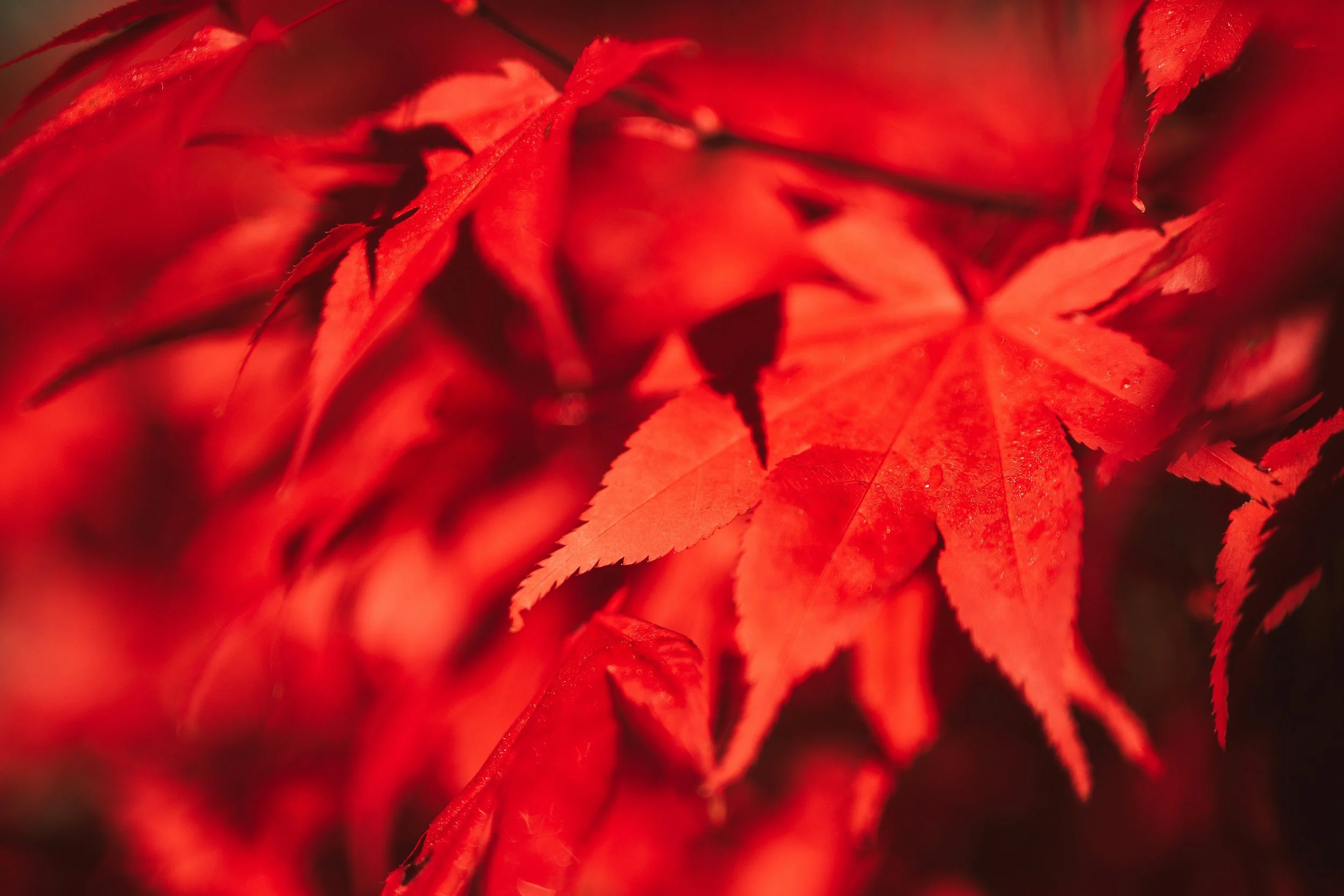
Fall Leaf Inspiration: Red - The Strength of Setting Clear Boundaries
In nature, red leaves are a sign of intense, protective energy. Right before a tree sheds its foliage, it produces anthocyanins—the vivid red pigments—to shield its branches from sun damage and protect its core nutrients as cold weather sets in (Feild et al., 2001). The deep red leaf is not a sign of retreat; it is a masterclass in self-preservation and strength as the tree begins the process of pulling its resources into itself to prepare for winter.
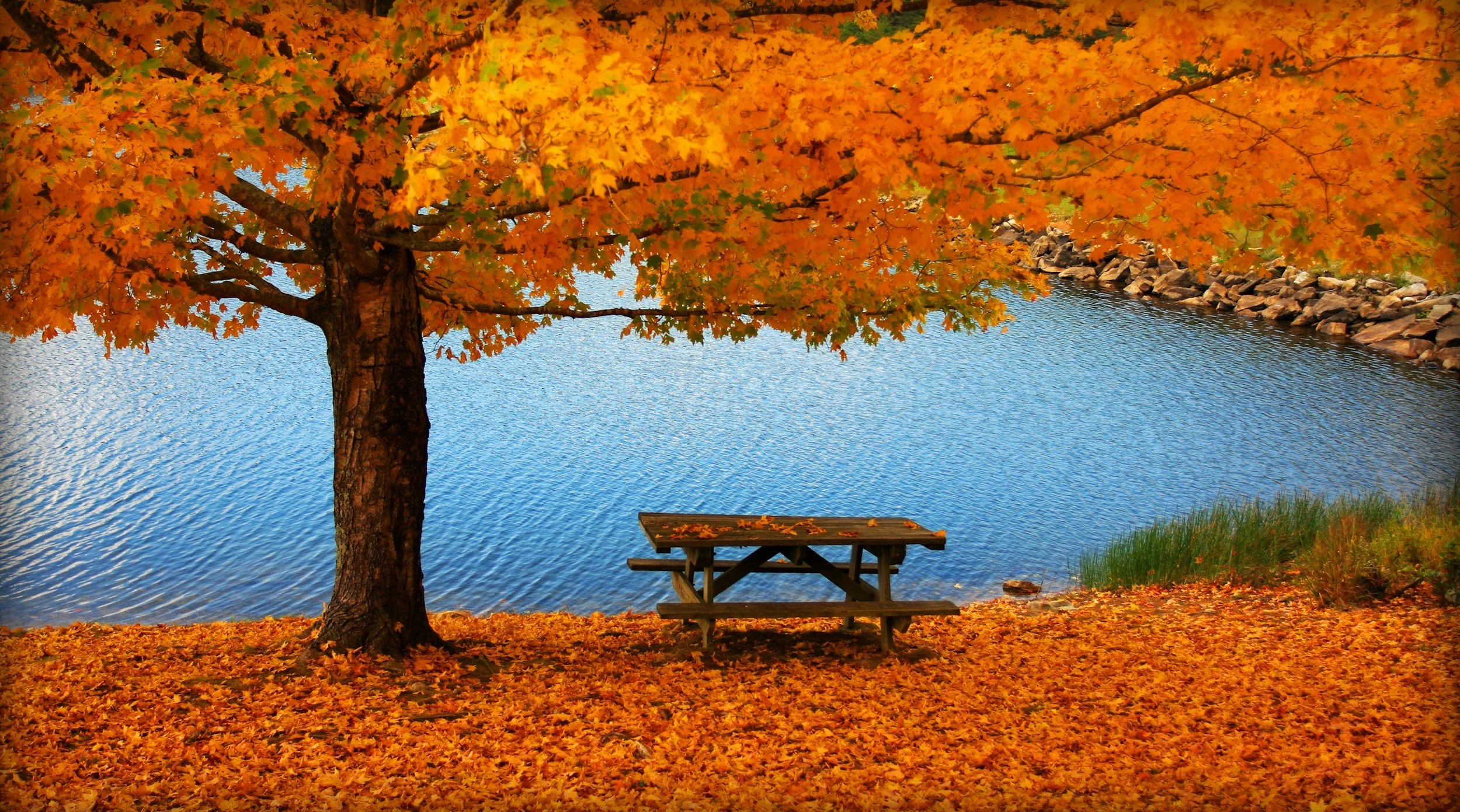
Fall Leaf Inspiration: Orange - Embracing the Beauty and Fear of Life's Shifts
Sugar Maple and Shumard Oak leaves turn pumpkin and copper, glowing warmly against cool autumn skies. Seeing these colors is one of the most stunning visual displays in nature—yet biologically for the tree, it is a marker of transformation and the tree prepares for winter. The tree is letting go of what was, preparing for what is coming, and adapting to a brand-new season.
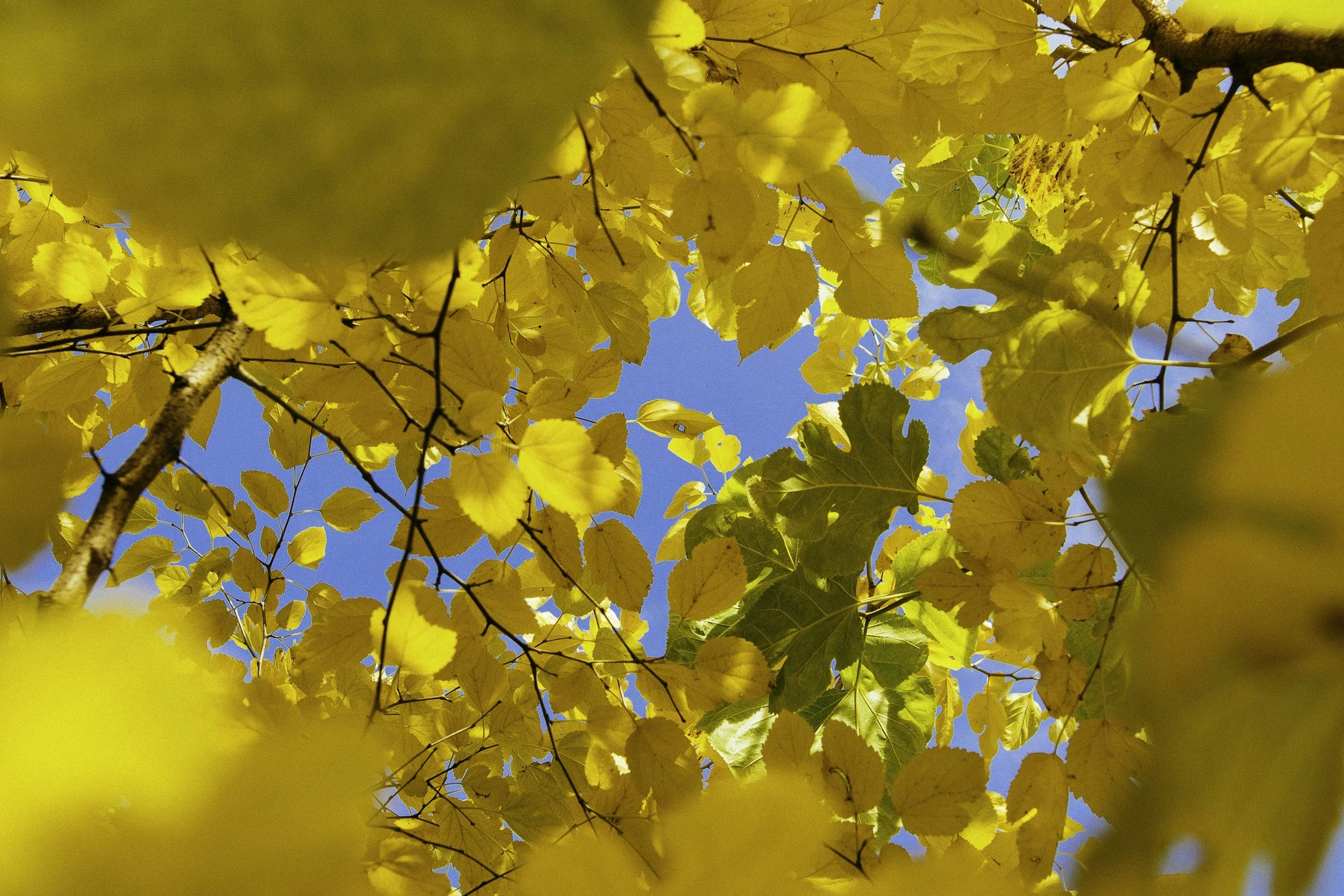
Fall Leaf Inspiration: Yellow - Finding Small Joys in Dark Seasons
Among the changing colors of the tree leaves, there are bright yellow leaves catching the sunlight. They don’t change the fact that winter is coming, nor do they erase the cold air and the changes that come with the season. But they do something equally important: they offer small spots of light right in the middle of the dark.
DisclaimerThe information provided by AbunDANCE Somatic Center (“we,” “us,” or “our”) on this platform is for general informational purposes only. All information is provided in good faith, however, we make no representation or warranty of any kind, express or implied, regarding the accuracy, adequacy, validity, reliability, or completeness of any information.
Under no circumstance shall we have any liability to you for any loss or damage of any kind incurred as a result of the use of the site or reliance on any information provided. Your use of the site and your reliance on any information on the site is solely at your own risk. This content is not intended to be a substitute for professional medical advice, diagnosis, or treatment. Always seek the advice of your physician or other qualified health provider with any questions you may have regarding a medical or mental health condition.