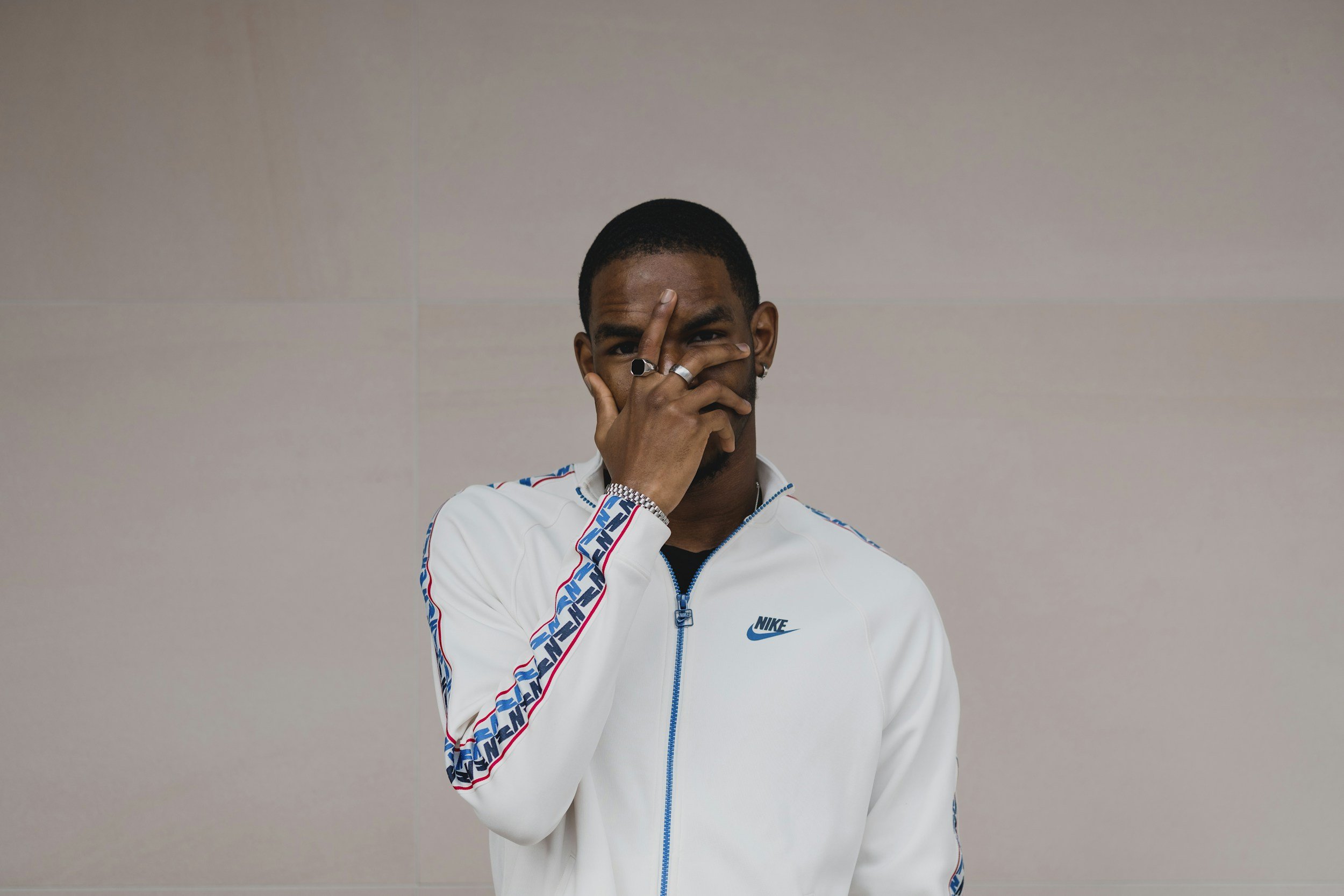
Athlete Identity: What Is It?
As a working definition, identity is the amalgamation of memories, experiences, relationships, and values that a person uses to help define a sense of self. New experiences and facets can be incorporated through time. Remember, no definition is perfect and researchers are always learning more. For now, this definition will serve our purpose. Let’s begin by highlighting a couple key points from this definition.
Building Creativity for Athletes
How often do people hear creativity, sports, and athletes in the same sentence? Chances are rare, if at all Yet, creativity can be one of the most essential topics in sports (Fardilha & Allen, 2020; Rasmussen et al., 2019). When we think about athletic creativity from a sport psychology perspective, many minds go to encouraging exploration, varied training, and open-ended problem solving, thus encouraging athletes to expand their flexibility and ability to identify novel solutions. The result is increased confidence and performance from the exposure to the above ideas, in addition to other topics such as the introduction of novel ideas, the use of visualization, and adapting creative mental exercises, like role-playing and including creative non-sport activities. Mouth full! Yep! So let’s break this down a little bit and make it fun.

Sport Psychology and Training Indoors
Chances are that many people dread the thought of training indoors because the experience is not the same. There are not the same cues that people experience when they are outdoors training such as the wind, sights, and a chance to practice cornering. That can make the experience not as enjoyable. We all lack the opportunity to practice certain skills, like cornering, but at the same time gain the opportunity to practice others, like cadence.

The Beauty of Winter
Winter mental health themes often focus around Seasonal Affective Disorder, winter blues, Depressive symptoms, isolation, anxiety, etc. All of these themes are important to discuss, as they are very real. And there is also room to spend some time inviting the beauty of nature and the winter season into the discussion remembering that winter is one of the seasons of the Earth and has its lessons for us.
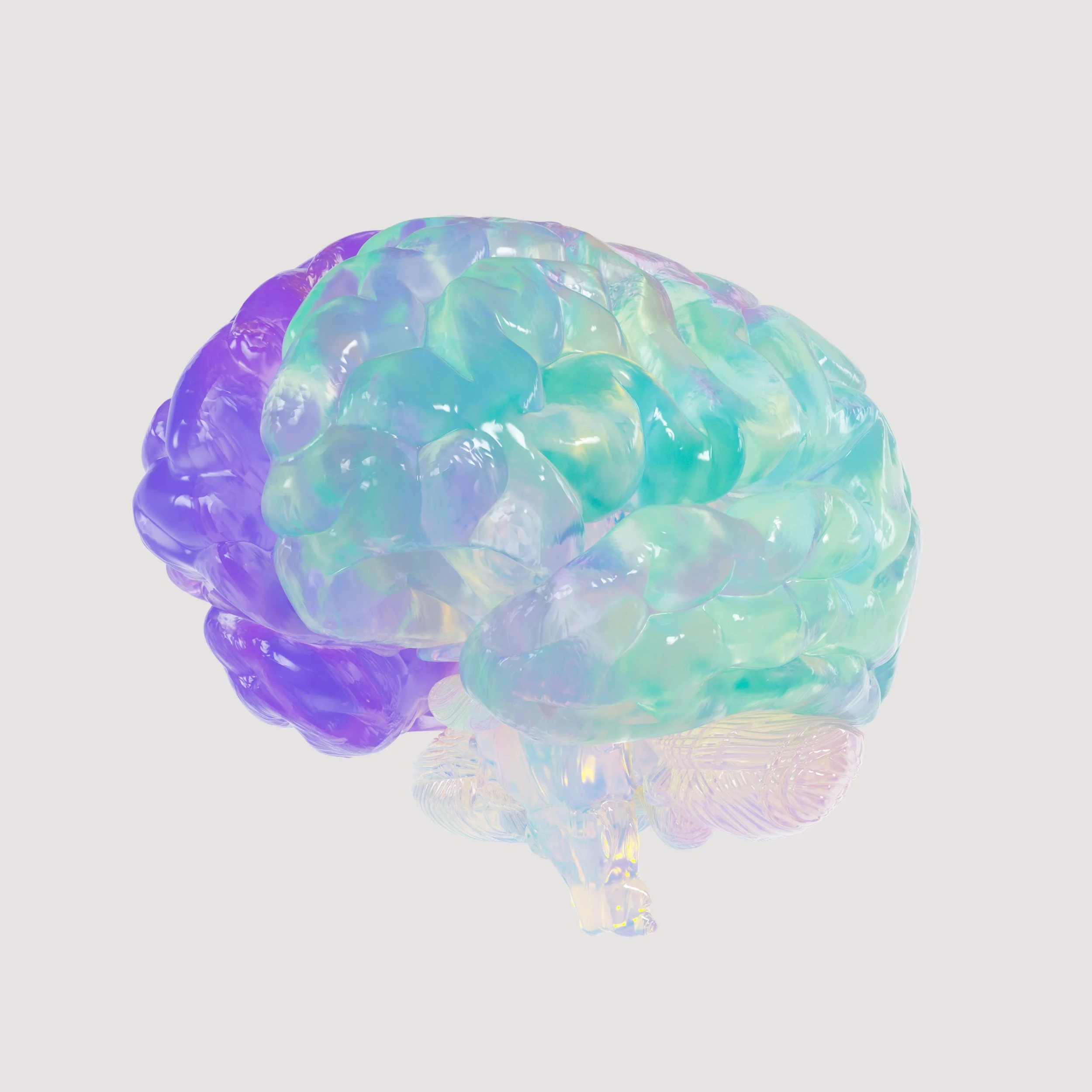
Mental Imagery or Sport Imagery Practices for Athletes to Enhance Performance
But what about a technique that does not require physical practice that helps improve motor learning? Enter mental imagery, sport imagery or visualization.
DisclaimerThe information provided by AbunDANCE Somatic Center (“we,” “us,” or “our”) on this platform is for general informational purposes only. All information is provided in good faith, however, we make no representation or warranty of any kind, express or implied, regarding the accuracy, adequacy, validity, reliability, or completeness of any information.
Under no circumstance shall we have any liability to you for any loss or damage of any kind incurred as a result of the use of the site or reliance on any information provided. Your use of the site and your reliance on any information on the site is solely at your own risk. This content is not intended to be a substitute for professional medical advice, diagnosis, or treatment. Always seek the advice of your physician or other qualified health provider with any questions you may have regarding a medical or mental health condition.