Protecting Your Brain as an Athlete
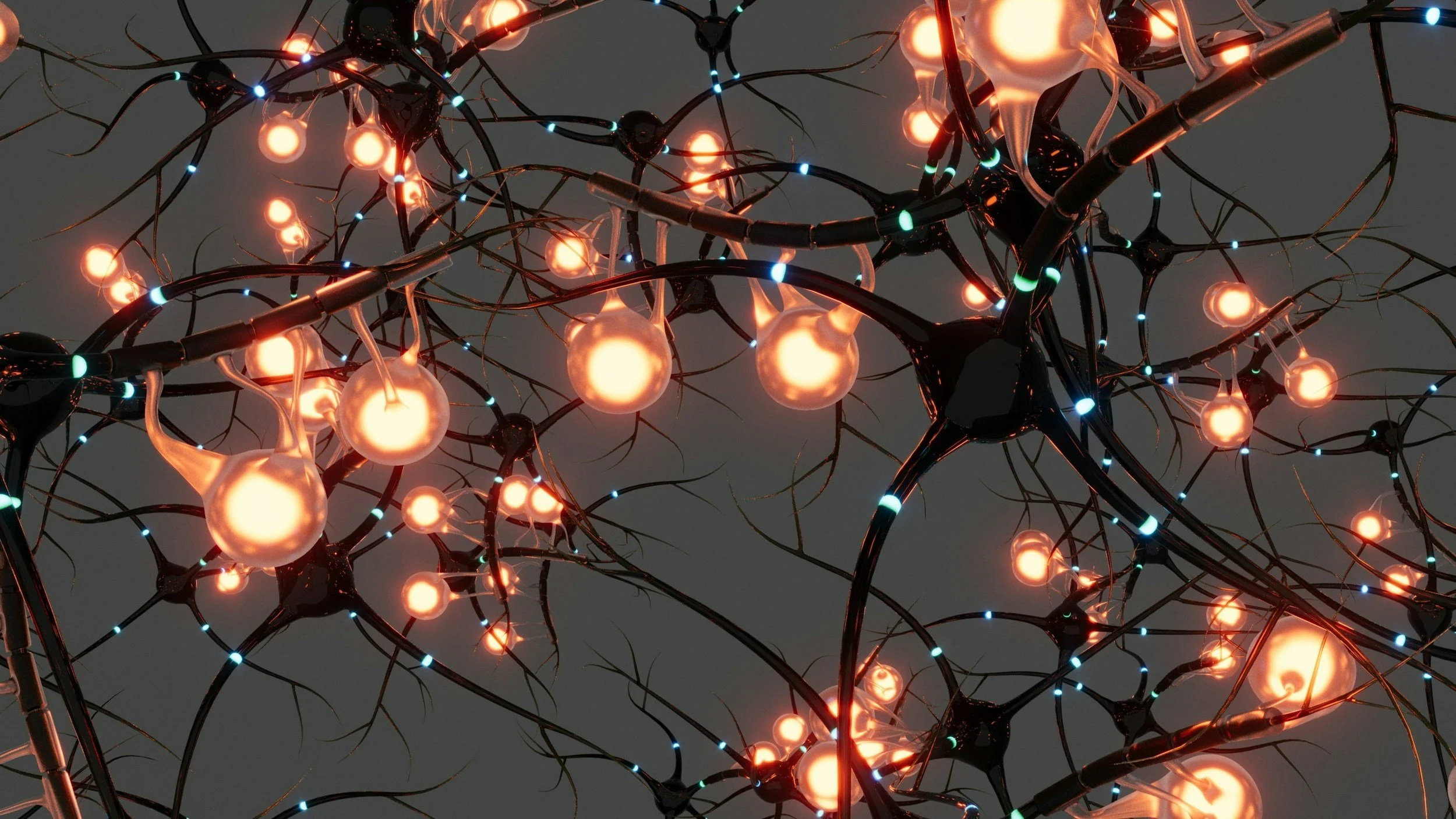
Our brains are essential to our daily lives! That might be one of the most obvious statements. Still, it’s worth saying because we can occasionally take our brains for granted. We can see this in athletics sometimes, so it is essential that we make the brain the center of our conversation at times. So it is with that in mind that we take a look at what protecting our brain in the context of athletics means. Protecting the brain in athletics is a multi-layered approach that requires thinking about physical safety, neurobiology, and sports psychology. The brain serves as the “hardware” for our athletic performance and injuries or chronic stress, for example, can impact reaction time, emotional regulation, and physical coordination, to name a few. So let’s dive into our conversation about protecting the brain in the context of athletics!
Fallibility of Human Memory
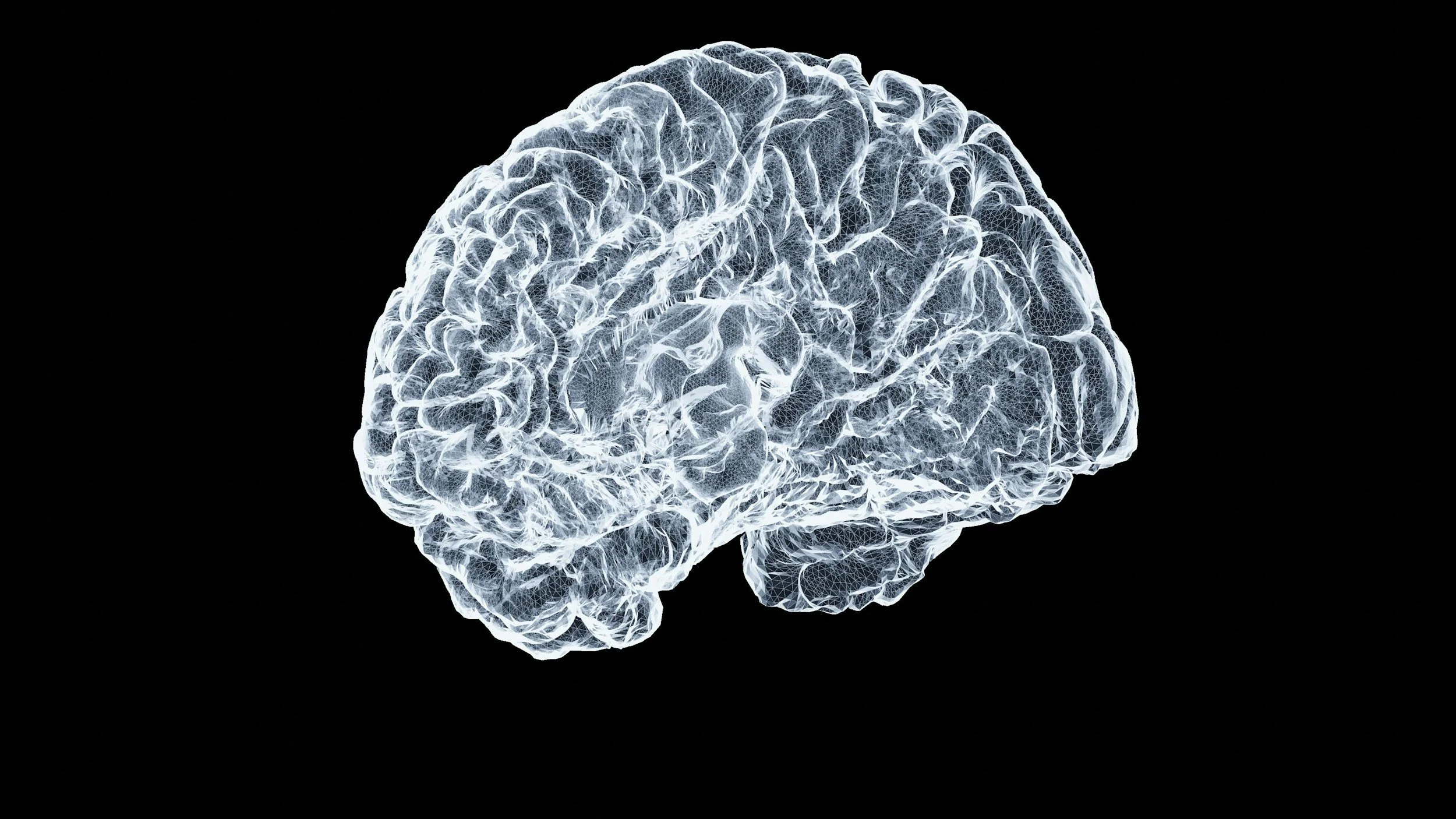
Memory is a constructive process, not a literal reproduction of the past, which can be prone to errors and distortions (Schacter, 2012; Schacter & Thakral, 2024). Because memories are pulled together from different fragments or pieces of information, that is where our memories become subject to distortion, misinformation, or misidentification. With that being said, this constructive process is functional, allowing us to use our past experiences to help us imagine future scenarios.

The Mental Skill of Self-Awareness to Benefit Us and Athlete Memory Part 2: Action and Practices
In the first part of this series, the foundation was laid, discussing what self-awareness is and some other factors to consider. Now it is time to see self-awareness in action. This post does get a little long. Just a heads up!

The Mental Skill of Self-Awareness to Benefit Us and Athlete Memory Part 1: Foundation
It is said that expert athletes have a good memory. If that is the case, can self-awareness be helpful in building an expert athlete’s memory? Let’s explore and see what we find.

Training, Memory, and Recall
Let neuroscience come forth! Not everyone is a neuroscience fan like myself, and that is completely okay. Neuroscience is not for everyone. In the case of this post, neuroscience does have to be brought up because it sets the stage for discussing memory and recall.
DisclaimerThe information provided by AbunDANCE Somatic Center (“we,” “us,” or “our”) on this platform is for general informational purposes only. All information is provided in good faith, however, we make no representation or warranty of any kind, express or implied, regarding the accuracy, adequacy, validity, reliability, or completeness of any information.
Under no circumstance shall we have any liability to you for any loss or damage of any kind incurred as a result of the use of the site or reliance on any information provided. Your use of the site and your reliance on any information on the site is solely at your own risk. This content is not intended to be a substitute for professional medical advice, diagnosis, or treatment. Always seek the advice of your physician or other qualified health provider with any questions you may have regarding a medical or mental health condition.